Alveococcosis treatment at Visus Medical without surgery
If you live in Russia, we can offer a hybrid format: remote stages + in-person checkpoints. Alveococcosis is not an “ordinary cyst.” The parasite grows infiltratively, invading liver tissue, and often mimics a malignant tumor. We do not promise miracles to everyone: after reviewing your CT/MRI we say honestly whether a non-surgical protocol fits your case.
The Visus Medical proprietary method aims to suppress parasite viability and stabilize or regress the lesion under imaging control. For Russia, avoiding diagnostic delays is especially important. The course is outpatient — no general anesthesia and no liver resection when the clinical situation allows.
Patients come from Russia, Kazakhstan, Kyrgyzstan, and Tajikistan — often after being offered major surgery or refused it. Many start with a remote review of their scans.
- Focus specifically on the alveolar form (AE), not cystic echinococcosis.
- CT/MRI review before the visit — free initial assessment.
- Outpatient care without hospitalization when clinically justified.
- We work with recurrences and inoperable cases when indicated.
- Dynamic imaging follow-up at every stage.
- Coordination with local physicians in the patient’s country of residence.
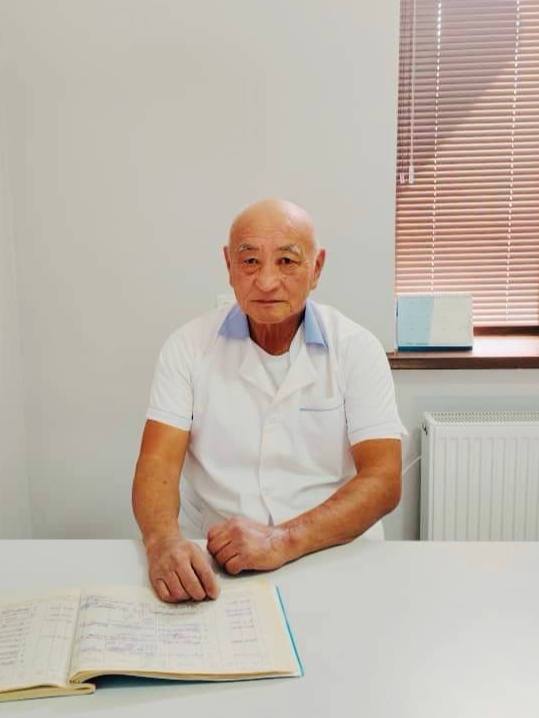
Elfréntiy Li
Chief physician — parasitologist, traditional medicine specialist
- 29 years of clinical practice treating alveococcosis (AE)
- Higher School of Folk Medicine — licensed physician
- Experience with inoperable and recurrent AE forms
- Proprietary non-surgical protocol in clinical use since 1995
“Alveococcosis is often mistaken for a tumor. CT/MRI review helps clarify whether a non-surgical option exists.”
Why alveococcosis is a separate service: what patients from Russia should know
We advise patients from Russia not to interrupt the course — even when feeling better, checkpoints matter. Cystic echinococcosis and alveococcosis are caused by different parasite species and require different tactics. For Russia, avoiding diagnostic delays is especially important. Combining them in one “service” confuses patient expectations.
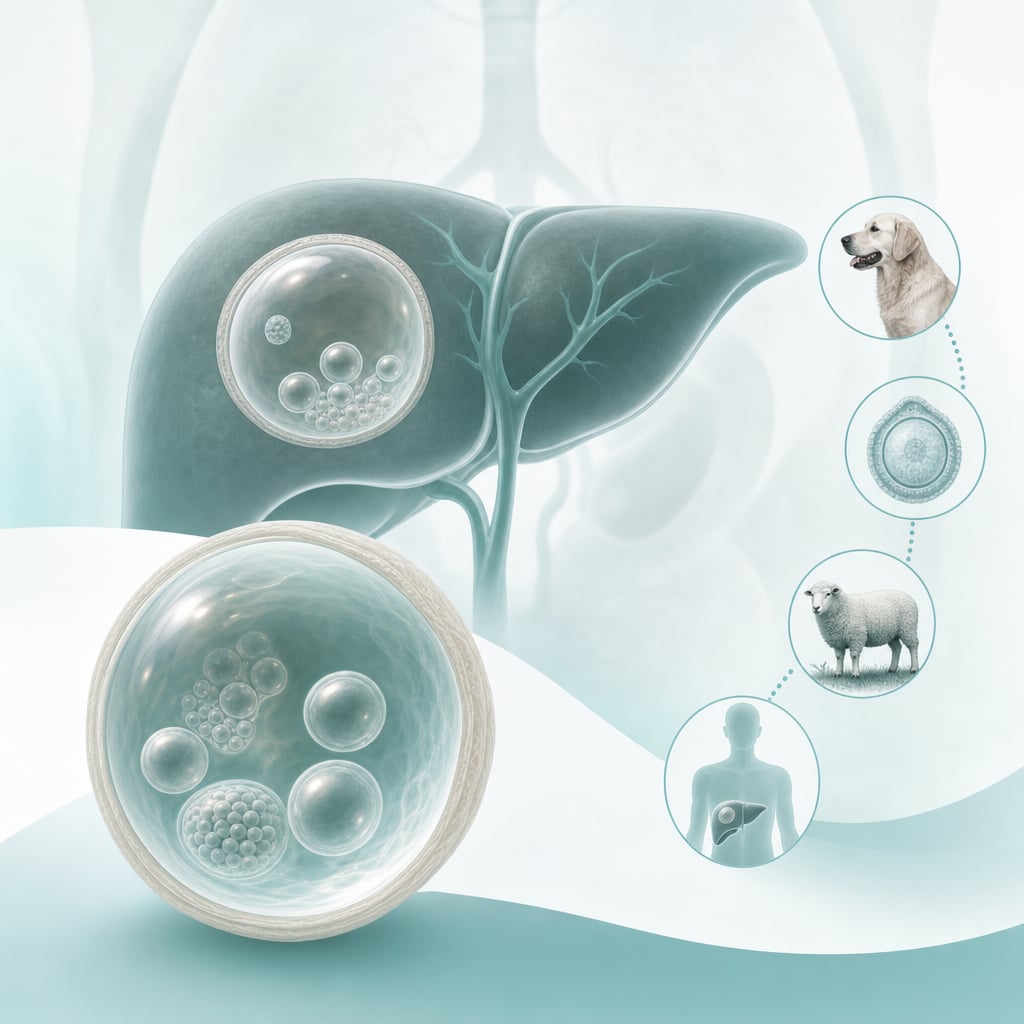
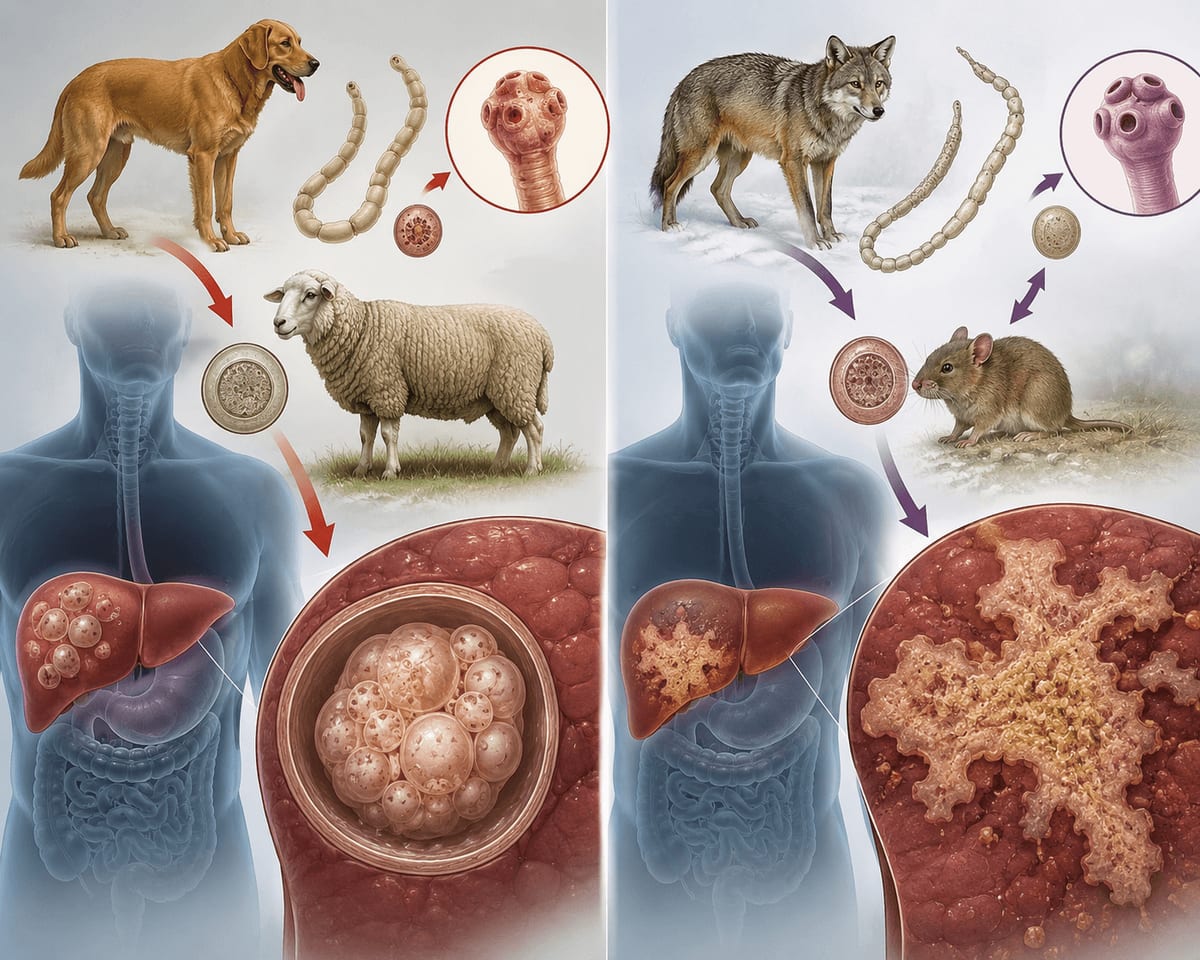
- AE is caused by Echinococcus multilocularis; CE by E. granulosus.
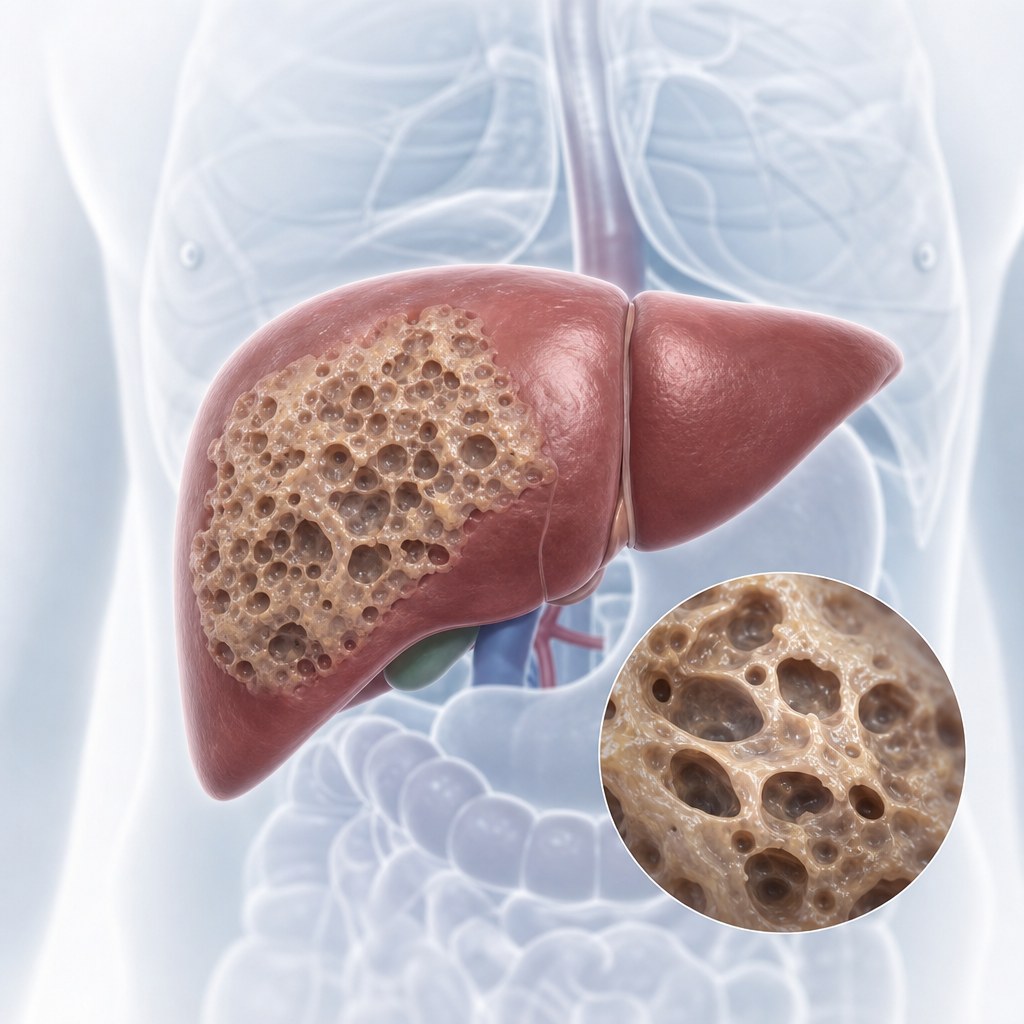
- On imaging, AE has no classic fluid-filled capsule — the lesion is infiltrative and multilocular.
- Oncology is often the first suspicion; differential diagnosis is essential.
- Without treatment, the AE prognosis is severe — do not delay scan review.
- A separate page covers cystic echinococcosis — if you have CE with a capsule.
How we work with patients from Russia
Our team supports patients from Russia through each phase to keep treatment consistent.
For patients from Russia, we build a clear plan with milestones, timelines and checkpoints.
Each patient from Russia receives a personalized route: consultation, diagnostics, treatment and follow-up.
For patients from Russia, we usually begin with remote review of prior tests before planning the in-person phase.
For people from Russia, we recommend keeping all test results in one structured package.
How to reach Visus Medical: for patients from Russia
Из Москвы в Ташкент летают ежедневные рейсы Aeroflot, Uzbekistan Airways и других перевозчиков — около 4 часов в воздухе; от аэропорта до клиники Visus Medical в Нурафшоне на такси около часа.
Из Moscow многие приезжают на выходные: пятничный вечерний рейс, суббота — приём и обследования, воскресенье — контроль и обратный вылет.
При планировании поездки from Moscow рекомендуем сравнить стоимость курса в РФ и в Visus Medical: для части диагнозов безоперационный протокол в клинике выходит выгоднее с учётом перелёта и проживания.
Авиасообщение Москва — Ташкент стабильное круглый год; билеты удобнее бронировать за 2–3 недели. После прилёта координатор клиники пришлёт адрес и поможет с трансфером до Нурафшона.
Alveococcosis: what patients from Russia should know
Scan consultation is free. In-person course only if the picture fits and you are ready for the follow-up plan.
No visa needed; we align the appointment with your flight from Russia.
For a cyst with a capsule open the echinococcosis service — so tactics match the diagnosis.
We compare follow-up duration and stage costs with care in Russia. Transparent estimate before the visit.
If surgery is already scheduled — send CT or MRI. We will say whether tablet treatment assessment makes sense.
From Moscow and Saint Petersburg people fly in with MRI on a disc — messenger files are enough for a first answer.
Hunting and nature trips in regions of Russia often come up — we clarify when contact with wild animals happened.
Quality of CT and MRI from Russian clinics is usually high. We work with sent files without rescanning at the start.
In Russia alveococcosis is often managed in surgical and oncology centers. Patients from Russia ask for a second opinion on tablet treatment.
What is alveococcosis? — guidance for from Russia
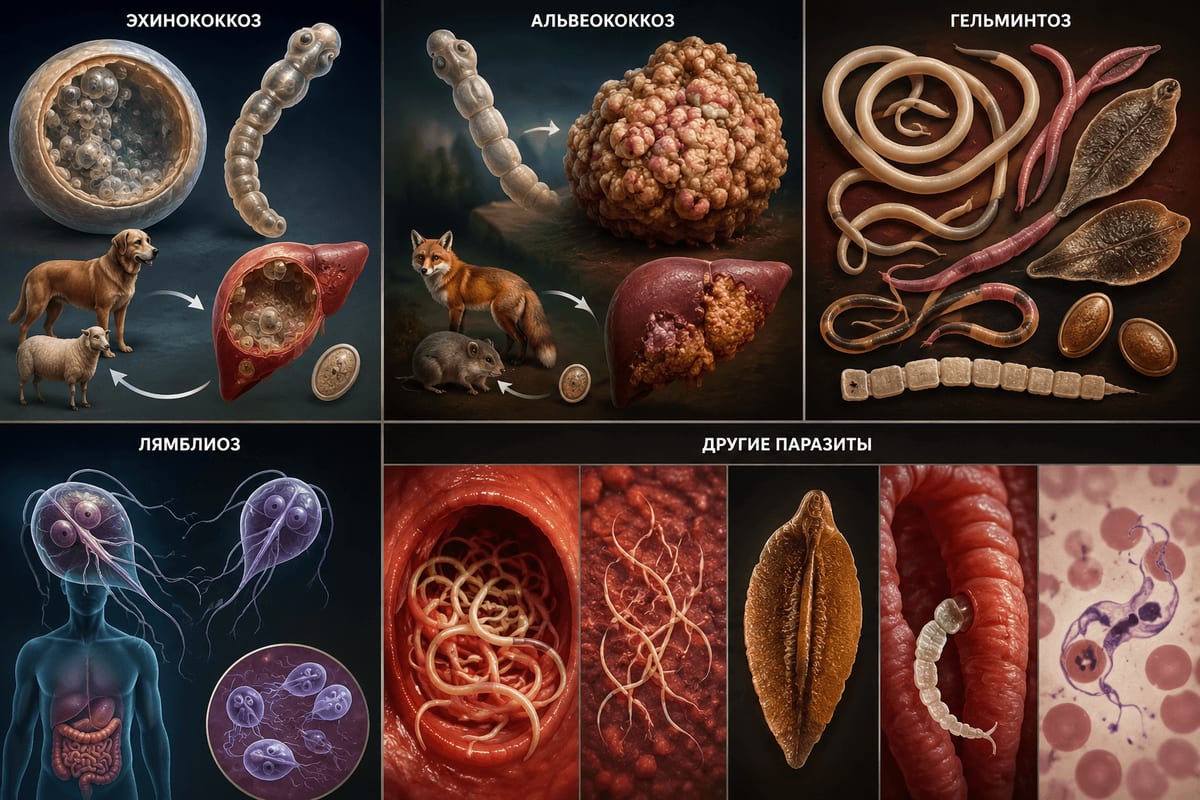
For referrals from Russia, we emphasize transparency: every stage has a clear purpose and expected outcome. Alveococcosis (alveolar echinococcosis, AE) is a severe parasitic disease of the liver. The parasite does not form a single bubble; it grows like a tumor, infiltrating tissue and sometimes producing distant foci. That is why CT often mistakes it for liver cancer.
Unlike cystic echinococcosis, “simply cutting out the cyst” is often impossible: the lesion has no clear borders. We advise patients from Russia to track their progress systematically. Conservative management and long-term follow-up are key topics when discussing treatment.
Symptoms and when to seek help
Early stages may have no complaints. We advise patients from Russia to track their progress systematically. Later, signs of liver and bile-duct involvement appear.
- Heaviness or pain in the right upper abdomen, loss of appetite, weakness.
- Obstructive jaundice if bile ducts are compressed or invaded.
- Weight loss, prolonged low-grade fever without a clear infection.
- On CT/MRI — an infiltrative lesion without a clear capsule; the report may say “suspected tumor.”
Diagnostics: why CT and MRI matter
If you contact us from Russia, consultation format and treatment pacing are agreed in advance. For alveococcosis, ultrasound is only a starting point. The imaging “gold standard” is CT and/or MRI: they show infiltration borders and relations to vessels and ducts.
Serology helps but does not replace the imaging picture. Evidence from Russia shows early therapy yields better outcomes. Biopsy when AE is suspected is discussed cautiously — risk depends on location and clinic protocol.
- CT/MRI — extent of involvement and differentiation from tumor.
- Ultrasound — follow-up during treatment once a baseline CT exists.
- Antibody tests — supporting evidence, not the only argument.
AE treatment approaches in world practice
Our approach for Russia focuses on a structured route without random protocol changes. International guidelines for AE more often discuss radical resection when technically feasible, and long-term antiparasitic therapy — especially for inoperable forms. Evidence from Russia shows early therapy yields better outcomes. Our protocol is a medication course with imaging control for patients suited to a non-surgical route.
- Surgery — when the lesion is resectable and the patient is ready for major intervention.
- Long-term medication therapy — the foundation when surgery is impossible or declined.
- Combined approaches — by multidisciplinary decision and imaging data.
- Watchful waiting without treatment in AE is generally unacceptable — unlike “inactive” CE4–CE5 cysts.
How alveococcosis is transmitted — guidance for from Russia
For patients from Russia, early diagnostic verification and a properly structured therapy start are decisive. The E. multilocularis cycle involves wild carnivores (foxes, wolves) and rodents. Humans become infected by swallowing eggs — via contaminated hands, berries, greens, or water in endemic zones.
Mountain and forest-steppe areas, hunting, and contact with hides and wild animals raise risk. For Russia, avoiding diagnostic delays is especially important. This differs from the classic “shepherd — dog — sheep” epidemiology of cystic echinococcosis.
- Definitive hosts: foxes, wolves, sometimes dogs in endemic foci.
- Intermediate hosts: rodents; humans are accidental hosts.
- Prevention: hygiene outdoors, heat-treating forest foods, deworming dogs in endemic areas.
Prevention and what to do now for patients from Russia
For residents of Russia, we adapt the protocol to local realities — from logistics to repeat test access. If your CT report already says “alveococcosis,” “alveolar echinococcosis,” or “infiltrative parasitic process” — send the scans. For Russia, avoiding diagnostic delays is especially important. The earlier the review, the clearer the plan.
- Do not postpone CT/MRI review “for later.”
- Do not compare AE to an “ordinary cyst” — the tactic is different.
- If a tumor is suspected, clarify a parasitic nature before aggressive steps when timing allows.
- For families in endemic regions — hygiene measures and dog control.
Frequently asked questions (FAQ)
No, it is a parasitic disease. But on imaging it often mimics a tumor — so proper differential diagnosis is needed.
CE is a cyst with a capsule and fluid; AE grows infiltratively without clear borders. Treatment and prognosis differ; cystic echinococcosis is a separate service at our clinic.
In some cases — yes, with a medication protocol under imaging control. The decision comes only after CT/MRI review: send the files and we will say honestly.
Because AE looks aggressive and surgery often considers resection. A second opinion on your scans helps clarify whether a non-surgical option exists.
Usually longer than for a typical CE cyst. Duration is individual; the guide is dynamics on follow-up CT/MRI and ultrasound.
Yes. Without treatment, AE progresses and can lead to severe complications and death. Do not delay scan review.
Yes. Many come exactly when surgery is impossible or they are not ready for resection — we assess what can realistically be done conservatively.
Our course is usually outpatient. Hospitalization is discussed only if the clinical situation requires it.
Common questions from patients from Russia
Post-course monitoring: scheduled labs and remote consultations to sustain results.
Typically 2-6 weeks, depending on diagnosis, stage and treatment response.
Post-course monitoring: scheduled labs and remote consultations to sustain results.
Typically 2-6 weeks, depending on diagnosis, stage and treatment response.
Post-course monitoring: scheduled labs and remote consultations to sustain results.
To see whether there is an option without such surgery for your picture. We do not cancel surgery «for everyone» — we assess your CT/MRI specifically.
No, it is a parasitic disease. But on scans it looks like a tumor — confusion is common. At consultation we separate diagnosis and plan calmly and factually.
Yes. Quality is usually enough to start. We do not rescan without need.