Visus Medical solution: Treat the cause, not just suppress symptoms — approach for Tajikistan
Stop the cycle of "pills—temporary relief—relapse." Visus Medical uses a proprietary comprehensive method for chronic giardiasis that works on all fronts at once:
Our approach guarantees not merely negative stool tests but real disappearance of symptoms: bloating, pain, and unstable stool.
- Eliminate giardia + restore gut function.
- Normalize bile flow — remove the parasite's environment.
- Family treatment when needed.
- Labs and ultrasound follow-up.
- Outpatient course.
- Care for relapse after pharmacy-only treatment.
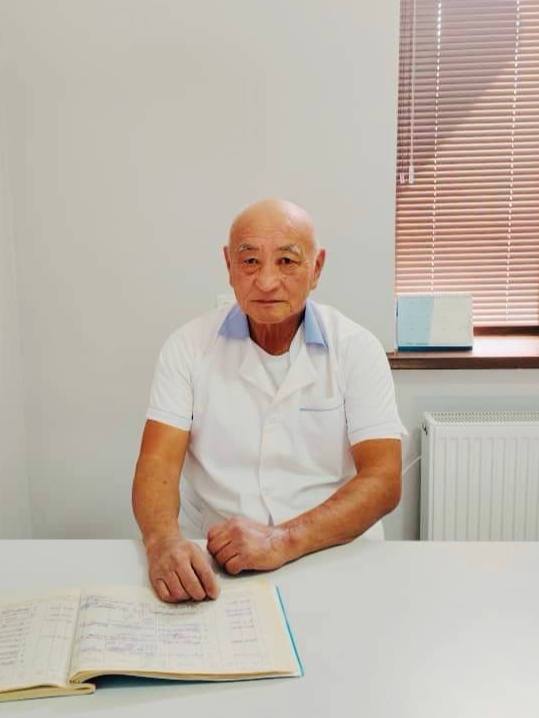
Elfréntiy Li
Chief physician — parasitologist, giardiasis and intestinal parasitosis
- 29+ years — children and adults, acute and chronic giardiasis
- Lab and ultrasound monitoring at every stage of care
- Whole-gut approach: digestion, immunity, co-infections
- Fully outpatient — no hospital stay
“Giardiasis often returns after a “standard” course. We find why it relapses and work toward a stable result.”
Why patients choose Visus Medical: what patients from Tajikistan should know
We advise patients from Tajikistan not to interrupt the course — even when feeling better, checkpoints matter. We advise patients from Tajikistan to track their progress systematically. Chronic giardiasis is not only about killing the parasite but restoring digestion — that is why patients come after several failed courses elsewhere.
- Physician certified by the Ministry of Health of Uzbekistan.
- Combined approach: parasite + gut + bile flow.
- Children and adults — one clinic, one protocol.
- Follow-up with labs and ultrasound.
- Outpatient treatment.
- Free initial review of your test results.
How we work with patients from Tajikistan
Each patient from Tajikistan receives a personalized route: consultation, diagnostics, treatment and follow-up.
Our team supports patients from Tajikistan through each phase to keep treatment consistent.
For patients from Tajikistan, we build a clear plan with milestones, timelines and checkpoints.
For referrals from Tajikistan, we evaluate comorbid factors and adapt treatment pace accordingly.
Our cases from Tajikistan show that early diagnostic validation lowers the risk of prolonged complications.
How to reach Visus Medical: for patients from Tajikistan
Из Душанбе в Ташкент — прямые рейсы Somon Air и Uzbekistan Airways, около 1 часа 20 минут. Рейсов меньше, чем у соседей, поэтому билеты лучше бронировать за 2–3 недели.
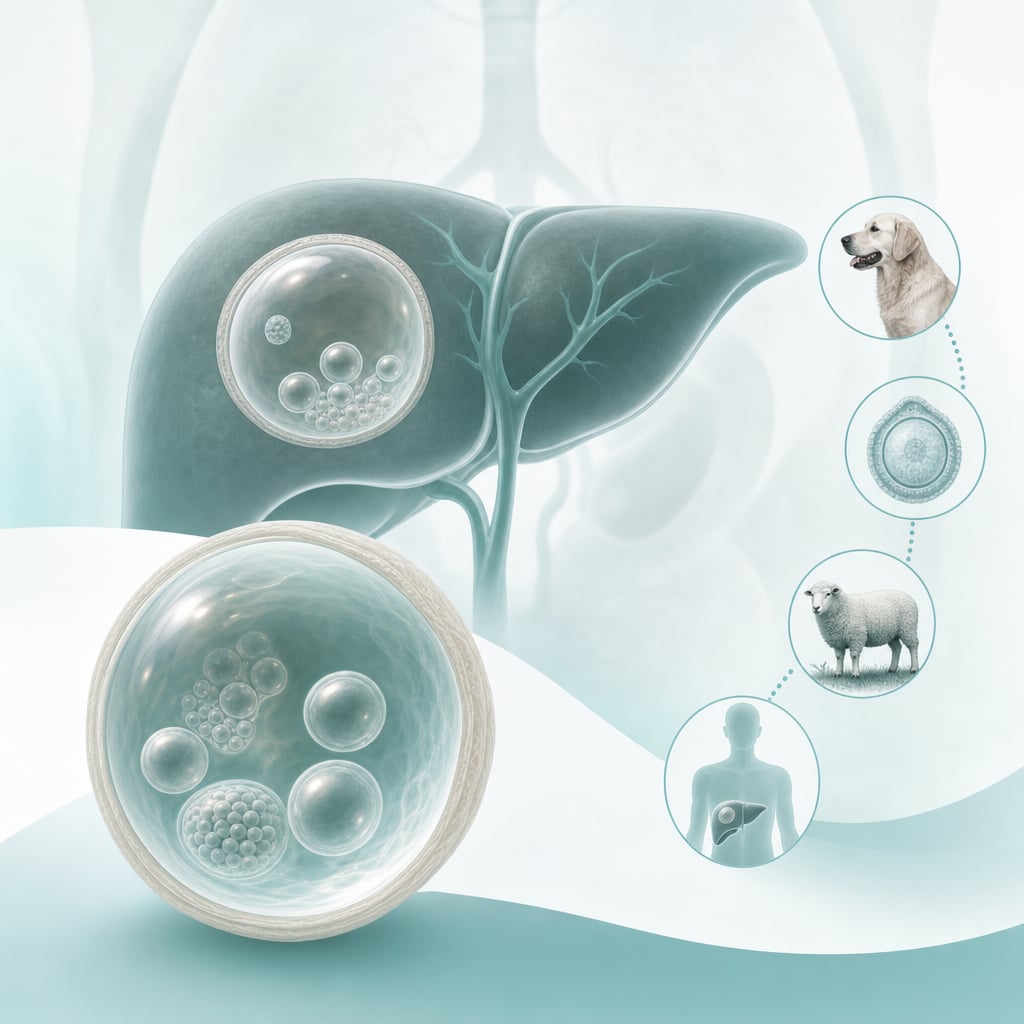
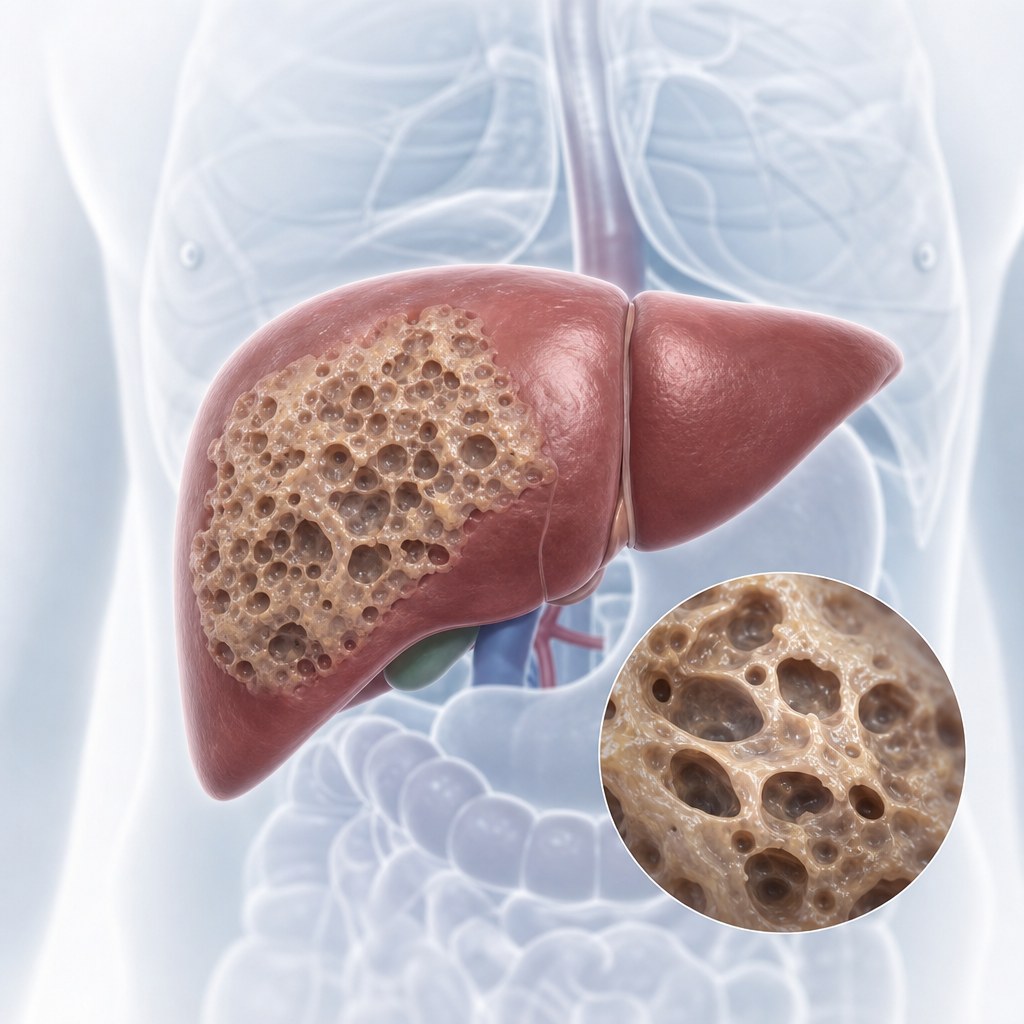
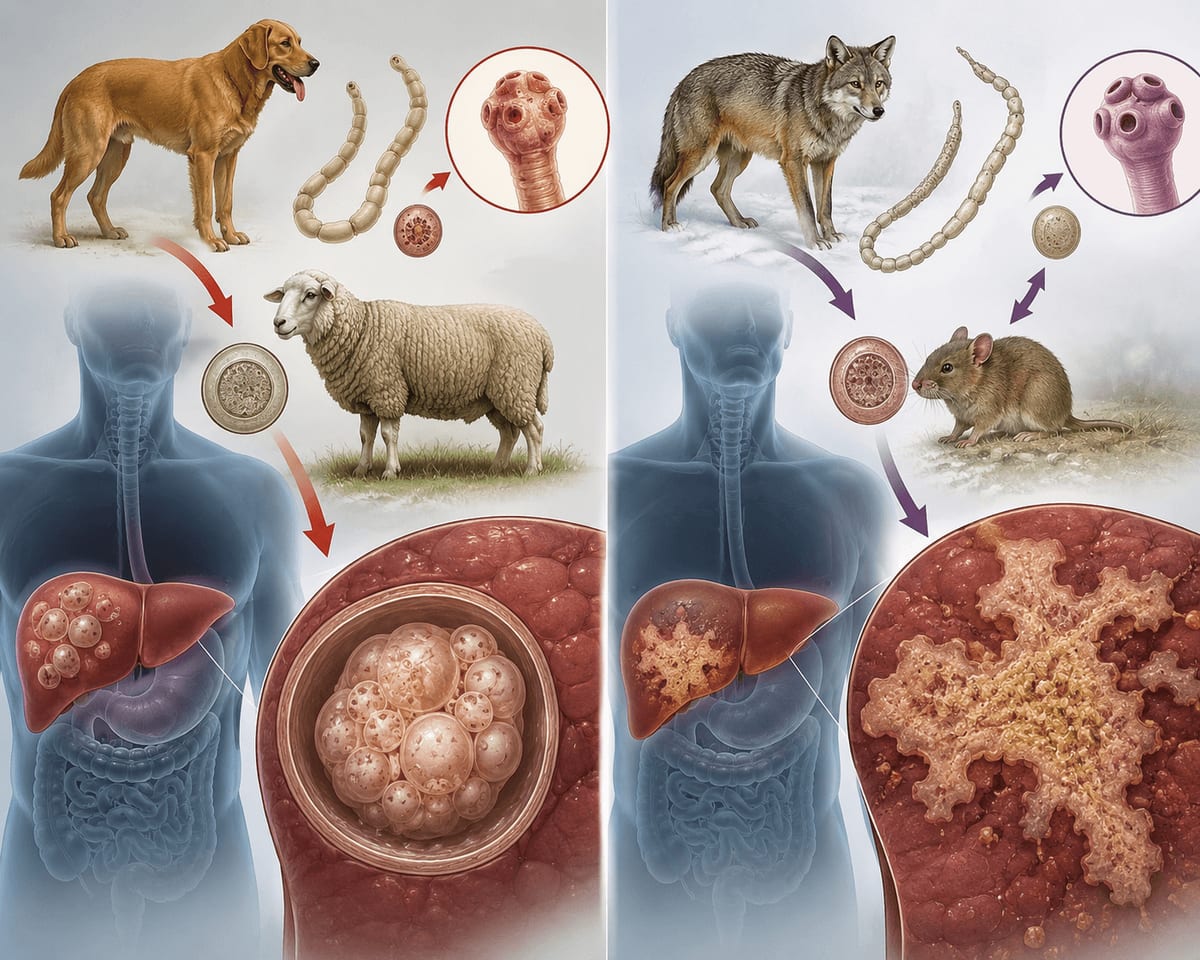
Для пациентов из Таджикистана важно: горный климат Душанбе и сельских районов республики — один из факторов высокой заболеваемости эхинококкозом. Мы учитываем это при сборе анамнеза.
Часть пациентов из Таджикистана едет через Самарканд автобусом — дешевле, но дольше (7–10 часов). Мы подберём удобный слот под любой маршрут.
Дорога из Душанбе «от двери до двери»: 40 минут до аэропорта, 1,5 часа перелёт, час такси до Нурафшона — итого около 3–4 часов. Однодневный визит возможен при раннем рейсе.
Giardiasis: what patients from Tajikistan should know
In remote villages in Tajikistan spring water without boiling remains a risk factor.
Hot season speeds giardia in small yard water tanks.
We plan test follow-up logistics for Tajikistan in advance.
Repeat infection after a course is tied to water at home — we treat daily life too.
A family course saves repeat trips to cities.
Limited access to giardia tests in regions of Tajikistan delays diagnosis.
Irrigation canals in Tajikistan are a children's risk zone in summer when swimming.
From Khujand people write about bitter taste in the mouth — a typical giardia signal.
We review results from district labs in Tajikistan before a visit.
Boiling water during treatment is a mandatory plan item.
What is giardiasis?
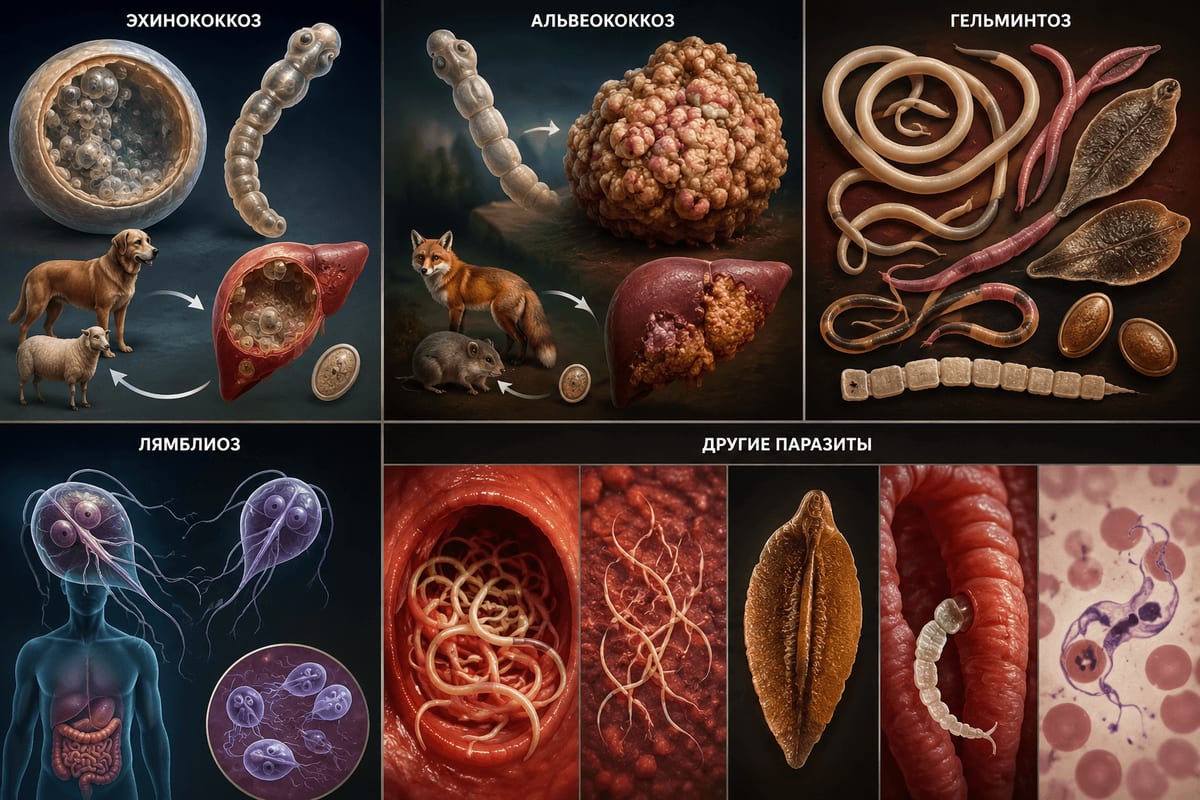
For referrals from Tajikistan, we emphasize transparency: every stage has a clear purpose and expected outcome. Giardiasis (also called lambliasis) is one of the most common parasitic diseases worldwide, caused by the microscopic protozoan Giardia intestinalis (giardia). These parasites live in the small intestine, attaching to its wall.
Giardia colonies literally "coat" the mucosa, disrupting digestion and absorption of nutrients, especially fats and vitamins. Evidence from Tajikistan shows early therapy yields better outcomes. This leads not only to abdominal discomfort but also to systemic problems—including allergic reactions and weakness.
How does infection occur? "Disease of dirty hands"
For patients from Tajikistan, we align the care plan with local logistics, test availability and follow-up timing. Evidence from Tajikistan shows early therapy yields better outcomes. Giardiasis is a classic "disease of dirty hands." The source of infection is a person who sheds cysts (the dormant form) of giardia in feces.
Cysts are extremely hardy: they can survive in soil for up to 3 weeks and in water for up to 5 weeks. Infection occurs when these cysts are swallowed:
In the small intestine the cyst "wakes up" and two active trophozoites emerge and multiply rapidly, covering the mucosa.
- Through unwashed hands after using the toilet or touching contaminated surfaces.
- By drinking unboiled tap water, well water, or water from open bodies of water.
- Through unwashed vegetables, fruits, and greens from the garden.
- In children's groups—via shared toys that children put in their mouths.
Symptoms: More than "upset stomach"
If you contact us from Tajikistan, consultation format and treatment pacing are agreed in advance. Many think giardiasis is just diarrhea. Its manifestations, especially in adults, are much broader and often mimic other diseases. The illness may be acute (more often in children) or become chronic.
In adults giardiasis often runs indolently but exhaustingly, mimicking:
- Irritable bowel syndrome (IBS): Persistent bloating (flatulence), rumbling, periumbilical pain, irregular stool (diarrhea alternating with constipation).
- Gastritis and duodenitis: Nausea, loss of appetite, belching, upper abdominal pain.
- Gallbladder problems: Giardia can cause spasm of the sphincter of Oddi, impairing bile outflow and leading to stasis (dyskinesia).
- Allergic reactions: Unexplained urticaria, pruritus, atopic dermatitis—due to intoxication and impaired intestinal barrier function.
- General malaise: Chronic fatigue, weakness, irritability, headaches from impaired vitamin absorption (hypovitaminosis) and intoxication.
Frequently asked questions (FAQ): what patients from Tajikistan should know
Yes. Giardiasis spreads easily at home (towels, dishes, handles). Treating only one person often leads to reinfection from asymptomatic carriers.
Most studies show different strains in animals and humans. The main source for people is another person (ill or carrier).
Common reasons: incomplete course, reinfection from family, or parasites killed but gut damage and bile stasis remain — symptoms persist. Visus Medical treats such resistant cases.
Children are infected more often, but in adults it often becomes chronic and is mistaken for gastritis, pancreatitis, or IBS for years.
Common questions from patients from Tajikistan
Ultrasound, CBC, biochemistry, and any available CT/MRI scans. Additional tests determined case by case.
We analyze prior treatment experience and adapt the new protocol accordingly — it never invalidates a fresh course.
Ultrasound, CBC, biochemistry, and any available CT/MRI scans. Additional tests determined case by case.
We analyze prior treatment experience and adapt the new protocol accordingly — it never invalidates a fresh course.
Ultrasound, CBC, biochemistry, and any available CT/MRI scans. Additional tests determined case by case.
Yes. If your district waits long — we plan the test on the first visit day. From Dushanbe to the clinic is a one-day trip.
With clear tests — partly yes: review, prescriptions, file-based follow-up. In-person if exam or drug change is needed.
Sometimes infection already happened, or the source is different — raw milk, fruit, kindergarten contact. At the visit we review where giardia could have come from.