
Helminthiasis treatment at Visus Medical—Our approach
For patients from Dushanbe, we align the care plan with local logistics, test availability and follow-up timing. For Dushanbe, avoiding diagnostic delays is especially important. This drug-based treatment helps eliminate helminths once and for all and return to a full, healthy life!
- Diagnostics before the course — not guesswork.
- Multi-stage clinic drug protocol.
- Lab follow-up after each stage.
- Addressing allergy and GI complications.
- Outpatient — no hospitalization.
- Relapse prevention guidance for the family.
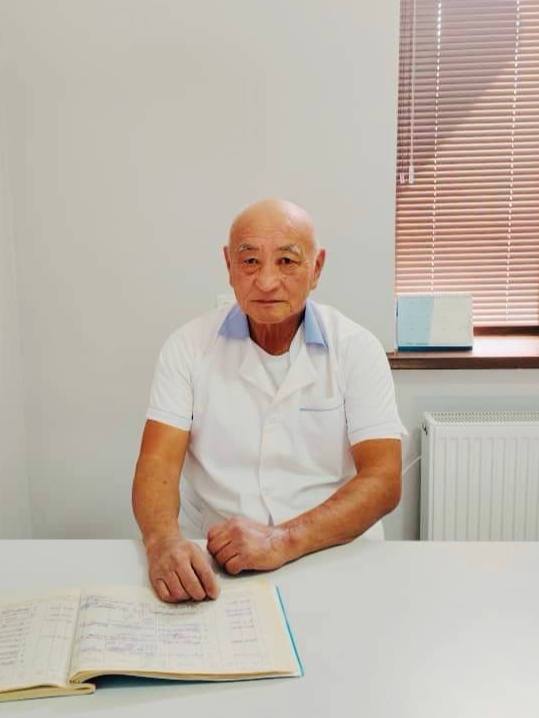
Elfréntiy Li
Chief physician — parasitologist, helminthiasis specialist
- 29+ years — structured helminth care, not a one-off deworming pill
- Physician certified in Uzbekistan — traditional and complementary medicine
- Course tailored to parasite species, labs, and clinical picture
- Patients from 5 CIS countries — in-clinic and remote follow-up
“Helminthiasis rarely clears with a single tablet. You need a structured plan — we build it for your case.”
Why patients choose Visus Medical — approach for Dushanbe
If you contact us from Dushanbe, consultation format and treatment pacing are agreed in advance. Helminthiasis is rarely cured with a single pill — we do not promise a miracle overnight. We offer a clear path: diagnosis, course, follow-up, relapse prevention.
- MoH-certified medical care in Uzbekistan.
- 29+ years in parasitology and related care.
- Systemic course, not a one-off deworming tablet.
- We work with chronic and complex cases.
- Outpatient care — no hospital stay.
- Patients from across the CIS — remote review of test results.
How we work with patients from Tajikistan
Each patient from Dushanbe receives a personalized route: consultation, diagnostics, treatment and follow-up.
Our team supports patients from Dushanbe through each phase to keep treatment consistent.
For patients from Dushanbe, we build a clear plan with milestones, timelines and checkpoints.
For referrals from Tajikistan, we evaluate comorbid factors and adapt treatment pace accordingly.
Our cases from Tajikistan show that early diagnostic validation lowers the risk of prolonged complications.
Как добраться в Visus Medical: пациентам из Dushanbe
Часть пациентов из Tajikistan приезжают через Алматы: ночной перелёт, утренний трансфер на внутренний рейс в Ташкент, днём — приём в Visus Medical, обратно — на следующий день или вечером того же.
Для жителей Dushanbe оптимален трёхдневный маршрут: день перелёта, день процедур и консультаций в клинике, день на обратный вылет; мы согласуем расписание так, чтобы не простаивать в Нурафшоне.
Авиабилеты из Dushanbe в Ташкент лучше бронировать за 2–3 недели: цены ниже, выбор рейсов шире; после прилёта такси до Visus Medical — фиксированный маршрут, адрес пришлём заранее на телефон.
Гельминтоз: контекст для пациентов Tajikistan
Детская заболеваемость гельминтозами в Tajikistan остаётся заметной по данным школьных медосмотров: дети from Dushanbe часто заражаются через песочницы, общую посуду и контакт с домашними животными без прививок.
Жаркое лето в Tajikistan совпадает с пиком купания в каналах и прудах; контакт с водой, куда сбрасываются сточные воды, — ещё один путь заражения для жителей пригородов Dushanbe.
Водопроводная вода в крупных городах Tajikistan обычно хлорируется, но в дачных кооперативах и пригородах Dushanbe всё ещё пьют воду из открытых источников без кипячения — классический путь заражения.
What is helminthiasis?: what Dushanbe residents should know
Our approach for Dushanbe and nearby areas focuses on a structured route without random protocol changes. We advise patients from Dushanbe to track their progress systematically. Helminthiases, or helminth infections, are widespread parasitic diseases caused by helminths. Helminths (parasitic worms) differ greatly in shape and size.
The risk exists for everyone, regardless of social status or hygiene level. That is why "prevention" as a pill once a year is a myth that does not work.
Many think helminthiasis is only a problem of unwashed vegetables. Evidence from Tajikistan shows early therapy yields better outcomes. In fact, routes of infection are much more diverse:
According to WHO data, every second person on the planet is infected with helminths each year. Many believe parasitic worms do little harm to health. In reality, it is not that simple: helminths can damage vital internal organs—the heart, lungs, and brain—causing chronic disease that lasts for years.
- Foodborne route: Not only unwashed fruit, but also inadequately cooked meat (kebab, rare steak) and fish (sushi, dried fish).
- Contact route: Parasite eggs may be on pet fur, banknotes, door handles, and in dust.
- Waterborne route: Drinking unboiled water from open sources or even accidentally swallowing water in a pool.
There are three classes of helminths:
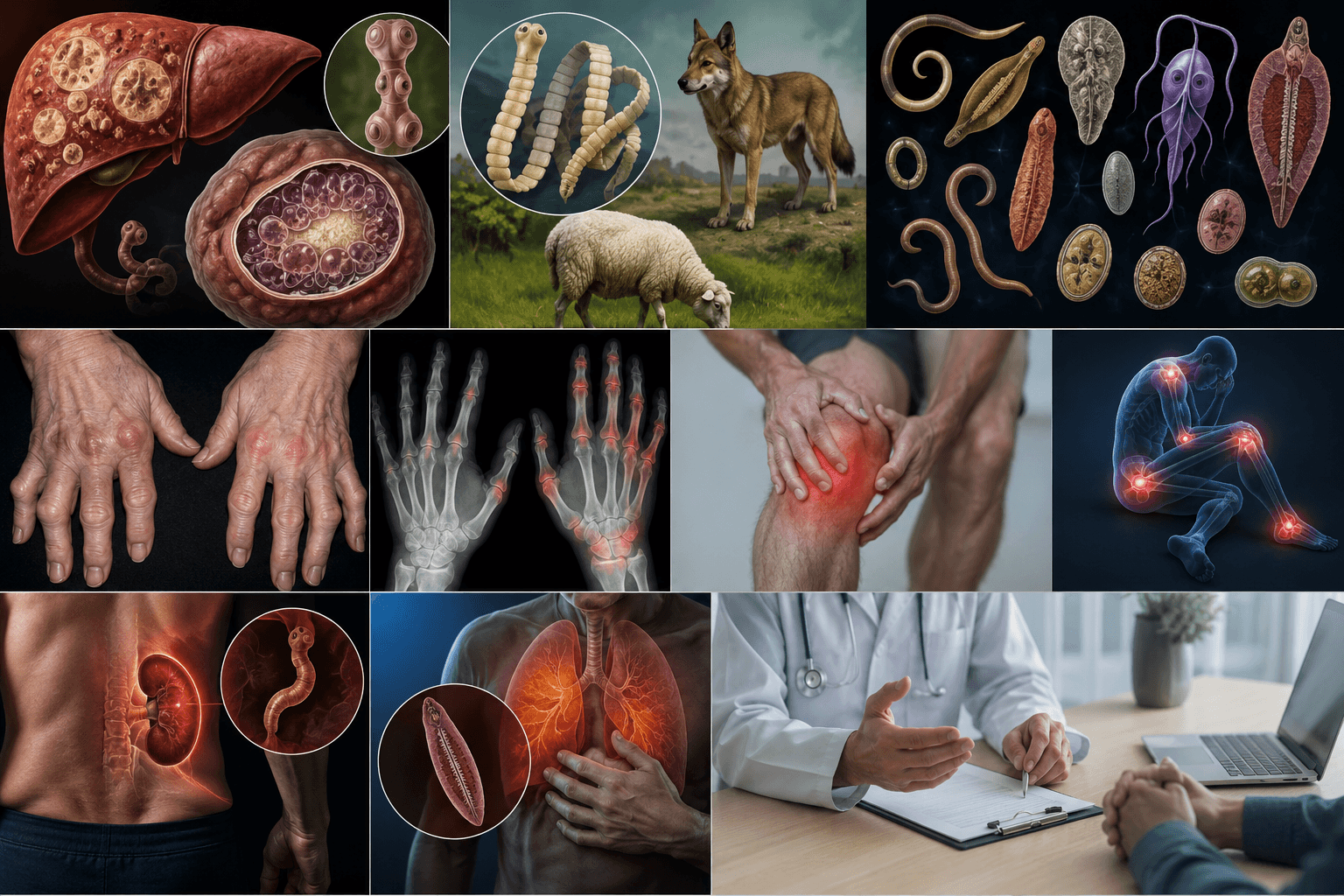
Tapeworms (cestodes)—about 3,500 species. Worm length ranges from a few millimeters to 10–15 meters. Well-known examples include beef and pork tapeworms and echinococcus.
Flukes (trematodes)—parasites with suckers used to obtain nutrients. About 40 species can affect humans; worms are usually no longer than 5 cm. Evidence from Tajikistan shows early therapy yields better outcomes. They mainly affect the liver, biliary tract, and lungs.
Roundworms (nematodes)—more than 24,000 species, spindle-shaped, usually no longer than 0.5 m. The best-known examples are roundworm, pinworm, and toxocara.
The "Great Masquerader": How helminths hide in the body
For residents of Dushanbe, we adapt the protocol to local realities — from logistics to repeat test access. Evidence from Tajikistan shows early therapy yields better outcomes. This is one of the main reasons patients see doctors for years without finding the cause of their illness. Parasites are masters of disguise. They release toxins that poison the body and cause symptoms not directly linked to "worms."
You may treat unsuccessfully for years:
In the end, the patient treats symptoms with a dermatologist, gastroenterologist, or neurologist while the true cause—parasitic invasion—remains undetected and continues to damage the body.
- Allergy: Skin rashes, urticaria, eczema, itching. You change diet and take antihistamines, but these are often reactions to parasite toxins.
- Chronic fatigue: Apathy, weakness, sleepiness, brain fog. This results from intoxication and nutrient deficiency caused by helminths "stealing" resources.
- GI disease: Bloating, abdominal pain, irregular stool, nausea. IBS is often diagnosed, but the cause lies deeper.
- Neurological symptoms: Irritability, insomnia, teeth grinding in sleep (bruxism)—often due to toxins affecting the nervous system.
Characteristic signs of infection:
If you live in Dushanbe, we can offer a hybrid format: remote stages + in-person checkpoints. Although parasites disguise themselves, several "red flags" should raise concern:
- Fever, edema
- Recurrent pruritic skin eruptions
- Enlarged lymph nodes
- Elevated blood eosinophils
- Myalgia (muscle pain), arthralgia (joint pain)
- Respiratory symptoms (cough)
- Splenomegaly and hepatomegaly
- Abdominal bloating and pain
- Weight loss with normal appetite
- Allergic reactions (urticaria, angioedema)
- Perianal itching (especially at night)
- Teeth grinding in sleep (bruxism)
- Nausea, vomiting, diarrhea, or constipation
Frequently asked questions (FAQ): what Dushanbe residents should know
A one-off pharmacy pill is not full helminthiasis treatment. Without proper tests (and sometimes ultrasound) you may miss the parasite type, stage, and complications. At Visus Medical the course is staged with lab follow-up—not guesswork.
Consider testing if you have long-term unexplained allergy, fatigue, abdominal pain or bloating, weight loss, itching, teeth grinding at night, or raised blood eosinophils. Start with labs—we will advise what else is needed at consultation.
Often yes, especially if a child is positive or several members have similar symptoms. Household spread (hands, dishes, pets) makes relapse likely if only one person is treated.
It depends on the helminth species, how long the infection has lasted, and related issues (allergy, gut). After the first visit and tests, the doctor will outline course length and check-up stages.
You can send lab results via messenger for an initial review. In-person visits are needed when indicated; many patients from CIS countries come for key stages of the course.
Common questions from patients in Dushanbe
Yes. We usually start with remote case review, then schedule in-person visits and follow-up checkpoints.
Yes, a hybrid model: online consultations for adjustments + in-person checkpoints.
Yes. We usually start with remote case review, then schedule in-person visits and follow-up checkpoints.
Yes, a hybrid model: online consultations for adjustments + in-person checkpoints.
Yes. We usually start with remote case review, then schedule in-person visits and follow-up checkpoints.