

Rheumatic fever treatment at Visus Medical
We offer a comprehensive approach to treating rheumatic fever:
Timely treatment helps prevent development of heart valve disease!
- Anti-inflammatory and antibacterial therapy.
- Heart protection — complication prevention.
- Joint syndrome relief.
- Immune support.
- Outpatient care.
- Monitoring until stable.
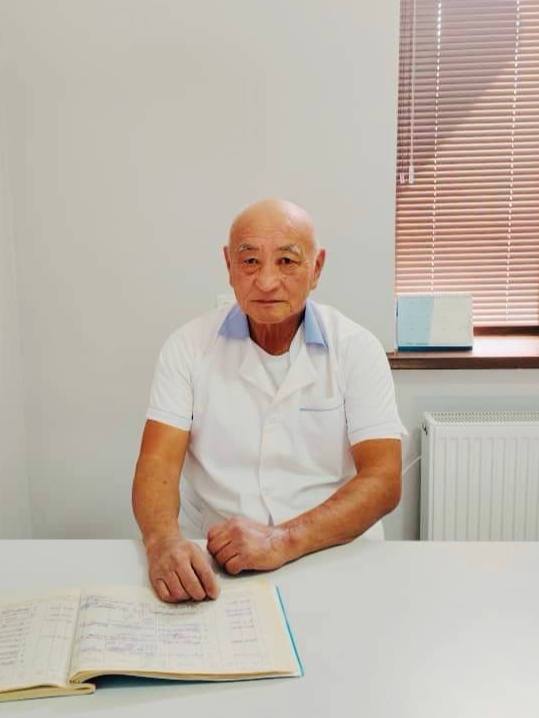
Elfréntiy Li
Chief physician — cardiologist-rheumatologist, rheumatic fever care
- 29+ years — acute rheumatic fever and complication prevention
- Heart and joint protection — outpatient when clinically appropriate
- After strep throat: risk assessment, ECG, inflammation control
- MoH-certified physician — follow-up and long-term prevention
“Rheumatic fever affects the heart and joints after infection. It must not be ignored — we help you complete care safely.”
Why patients choose Visus Medical
Rheumatic fever demands timely care and heart protection. We do not delay therapy and guide patients to stabilization.
- MoH-certified medical care in Uzbekistan.
- Focus on preventing heart valve damage.
- Combined anti-inflammatory and antibacterial therapy.
- 29+ years of practice.
- Outpatient care.
- Monitoring at each stage of the course.
What is rheumatic fever?
Rheumatic fever (acute rheumatic fever) is a systemic inflammatory disease that develops after streptococcal infection (tonsillitis, pharyngitis). It mainly affects the heart, joints, skin, and nervous system.
Causes and pathogenesis
Rheumatic fever develops as a complication of streptococcal infection. A rheumatic attack may begin 1–3 weeks after tonsillitis.
- Genetic predisposition
- Frequent streptococcal infections
- Incorrect or incomplete treatment of tonsillitis
- Hypothermia, dampness
Symptoms of rheumatic fever
- Heart area pain
- Shortness of breath on exertion
- Palpitations
- Cardiac rhythm disturbances
- Acute pain in large joints
- Swelling and redness
- "Migratory" pain pattern
- Limited movement
- Fever up to 38–39°C
- General weakness, malaise
- Increased sweating
Frequently asked questions (FAQ)
It is more common in children and young adults after strep throat, but adults can be affected too, especially if streptococcal infection was untreated. Timely diagnosis matters more than age.
Yes. Attacks often start 1–3 weeks after streptococcal tonsillitis or pharyngitis that was not fully treated. Finish antibiotic courses as prescribed.
Heart involvement (carditis) is the main risk; valve damage can develop without treatment. Early therapy and follow-up until stable are essential.
Often yes in moderate cases with medical supervision. Hospital care is needed for severe disease. Visus Medical provides outpatient management with regular check-ups.
Yes: follow-up care, preventing repeat sore throats, treating throat infections promptly, and sometimes long-term preventive antibiotics—individual plans are set by your doctor.


