Visus Medical solution: Treat the cause, not just suppress symptoms — approach for Kazakhstan
Stop the cycle of "pills—temporary relief—relapse." Visus Medical uses a proprietary comprehensive method for chronic giardiasis that works on all fronts at once:
Our approach guarantees not merely negative stool tests but real disappearance of symptoms: bloating, pain, and unstable stool.
- Eliminate giardia + restore gut function.
- Normalize bile flow — remove the parasite's environment.
- Family treatment when needed.
- Labs and ultrasound follow-up.
- Outpatient course.
- Care for relapse after pharmacy-only treatment.
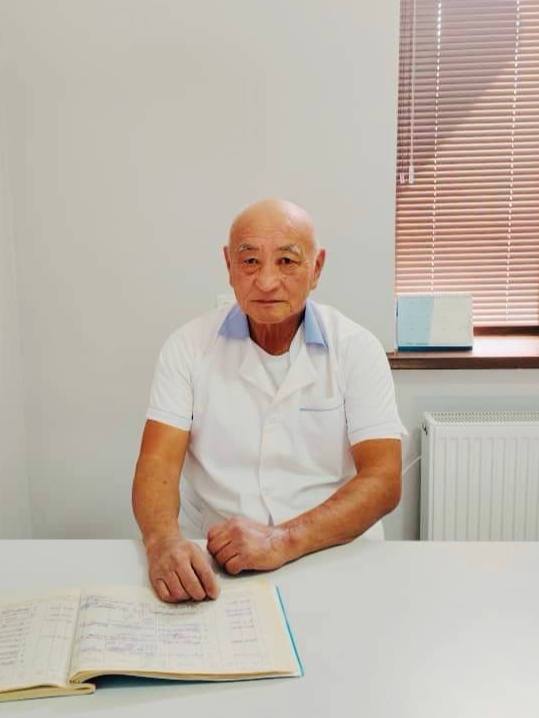
Elfréntiy Li
Chief physician — parasitologist, giardiasis and intestinal parasitosis
- 29+ years — children and adults, acute and chronic giardiasis
- Lab and ultrasound monitoring at every stage of care
- Whole-gut approach: digestion, immunity, co-infections
- Fully outpatient — no hospital stay
“Giardiasis often returns after a “standard” course. We find why it relapses and work toward a stable result.”
Why patients choose Visus Medical: what patients from Kazakhstan should know
We advise patients from Kazakhstan not to interrupt the course — even when feeling better, checkpoints matter. For Kazakhstan, avoiding diagnostic delays is especially important. Chronic giardiasis is not only about killing the parasite but restoring digestion — that is why patients come after several failed courses elsewhere.
- Physician certified by the Ministry of Health of Uzbekistan.
- Combined approach: parasite + gut + bile flow.
- Children and adults — one clinic, one protocol.
- Follow-up with labs and ultrasound.
- Outpatient treatment.
- Free initial review of your test results.
How we work with patients from Kazakhstan
Each patient from Kazakhstan receives a personalized route: consultation, diagnostics, treatment and follow-up.
Our team supports patients from Kazakhstan through each phase to keep treatment consistent.
For patients from Kazakhstan, we build a clear plan with milestones, timelines and checkpoints.
For people from Kazakhstan, we recommend keeping all test results in one structured package.
For referrals from Kazakhstan, we evaluate comorbid factors and adapt treatment pace accordingly.
How to reach Visus Medical: for patients from Kazakhstan
Из Алматы в Ташкент ходит поезд «Тулпар-Тальго» — около 11–12 часов, удобные купе; ночью выехал, утром уже в Ташкенте. Мы подберём слот после вашего прибытия.
Граждане Казахстана въезжают в Узбекистан по внутреннему удостоверению личности без визы. Медицинского приглашения не нужно — достаточно подтверждения записи на приём.
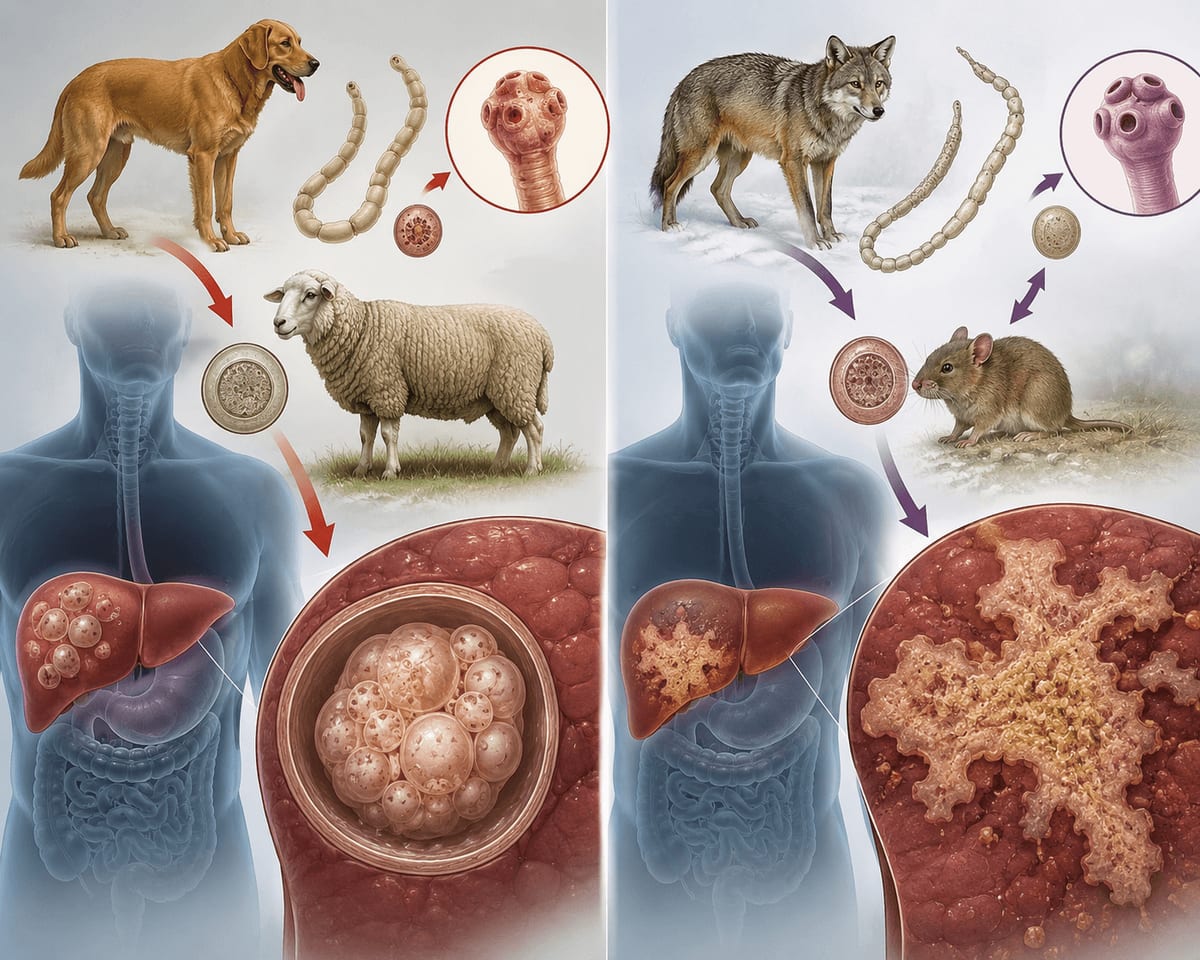
Курс лечения эхинококкоза в Visus Medical в сравнении с алматинскими клиниками: в Казахстане операция — типичная рекомендация, у нас — безоперационный протокол при подходящей стадии кисты. Многие пациенты из Казахстана едут именно за этим.
Для пациентов из Казахстана координатор помогает с расчётом стоимости в тенге по актуальному курсу. Оплата наличными в сумах или USD — без дополнительных комиссий.
Giardiasis: what patients from Kazakhstan should know
City water quality in Kazakhstan is generally better than rural, but outages happen on the outskirts.
Labs offer different giardia tests — we pick a sensitive method for the task.
After a lake or resort trip in Kazakhstan symptoms may start with a delay.
In winter at steppe work sites in Kazakhstan water from containers is a frequent trigger.
In megacities of Kazakhstan giardiasis persists through kindergartens and dacha trips.
In Shymkent and Almaty kindergartens are crowded — in spring more families have giardia in all children.
We accept giardia tests from Kazakhstan before arrival.
Patients from Kazakhstan confuse symptoms with milk intolerance and sit on diets without effect.
What is giardiasis?
For referrals from Kazakhstan, we emphasize transparency: every stage has a clear purpose and expected outcome. Giardiasis (also called lambliasis) is one of the most common parasitic diseases worldwide, caused by the microscopic protozoan Giardia intestinalis (giardia). These parasites live in the small intestine, attaching to its wall.
Giardia colonies literally "coat" the mucosa, disrupting digestion and absorption of nutrients, especially fats and vitamins. We advise patients from Kazakhstan to track their progress systematically. This leads not only to abdominal discomfort but also to systemic problems—including allergic reactions and weakness.
How does infection occur? "Disease of dirty hands"
For patients from Kazakhstan, we align the care plan with local logistics, test availability and follow-up timing. We advise patients from Kazakhstan to track their progress systematically. Giardiasis is a classic "disease of dirty hands." The source of infection is a person who sheds cysts (the dormant form) of giardia in feces.
Cysts are extremely hardy: they can survive in soil for up to 3 weeks and in water for up to 5 weeks. Infection occurs when these cysts are swallowed:
In the small intestine the cyst "wakes up" and two active trophozoites emerge and multiply rapidly, covering the mucosa.
- Through unwashed hands after using the toilet or touching contaminated surfaces.
- By drinking unboiled tap water, well water, or water from open bodies of water.
- Through unwashed vegetables, fruits, and greens from the garden.
- In children's groups—via shared toys that children put in their mouths.
Symptoms: More than "upset stomach"
If you contact us from Kazakhstan, consultation format and treatment pacing are agreed in advance. Many think giardiasis is just diarrhea. Its manifestations, especially in adults, are much broader and often mimic other diseases. The illness may be acute (more often in children) or become chronic.
In adults giardiasis often runs indolently but exhaustingly, mimicking:
- Irritable bowel syndrome (IBS): Persistent bloating (flatulence), rumbling, periumbilical pain, irregular stool (diarrhea alternating with constipation).
- Gastritis and duodenitis: Nausea, loss of appetite, belching, upper abdominal pain.
- Gallbladder problems: Giardia can cause spasm of the sphincter of Oddi, impairing bile outflow and leading to stasis (dyskinesia).
- Allergic reactions: Unexplained urticaria, pruritus, atopic dermatitis—due to intoxication and impaired intestinal barrier function.
- General malaise: Chronic fatigue, weakness, irritability, headaches from impaired vitamin absorption (hypovitaminosis) and intoxication.
Frequently asked questions (FAQ): what patients from Kazakhstan should know
Yes. Giardiasis spreads easily at home (towels, dishes, handles). Treating only one person often leads to reinfection from asymptomatic carriers.
Most studies show different strains in animals and humans. The main source for people is another person (ill or carrier).
Common reasons: incomplete course, reinfection from family, or parasites killed but gut damage and bile stasis remain — symptoms persist. Visus Medical treats such resistant cases.
Children are infected more often, but in adults it often becomes chronic and is mistaken for gastritis, pancreatitis, or IBS for years.
Common questions from patients from Kazakhstan
Post-course monitoring: scheduled labs and remote consultations to sustain results.
Typically 2-6 weeks, depending on diagnosis, stage and treatment response.
Post-course monitoring: scheduled labs and remote consultations to sustain results.
Typically 2-6 weeks, depending on diagnosis, stage and treatment response.
Post-course monitoring: scheduled labs and remote consultations to sustain results.
Possible. In Kazakhstan infection often comes from water on hikes and at dachas. Do stool test in Almaty or Astana and send us — we say whether it looks like giardiasis and next steps.
Often one start visit and test control in 2–3 weeks — it can be done at home with files sent. Not everyone needs a second trip.
At home tablets are often given without control. We check whether giardia cleared, how the liver tolerates the drug, and change the scheme if needed.