Helminthiasis treatment at Visus Medical—Our approach
For patients from Kazakhstan, early diagnostic verification and a properly structured therapy start are decisive. This drug-based treatment helps eliminate helminths once and for all and return to a full, healthy life!
- Diagnostics before the course — not guesswork.
- Multi-stage clinic drug protocol.
- Lab follow-up after each stage.
- Addressing allergy and GI complications.
- Outpatient — no hospitalization.
- Relapse prevention guidance for the family.
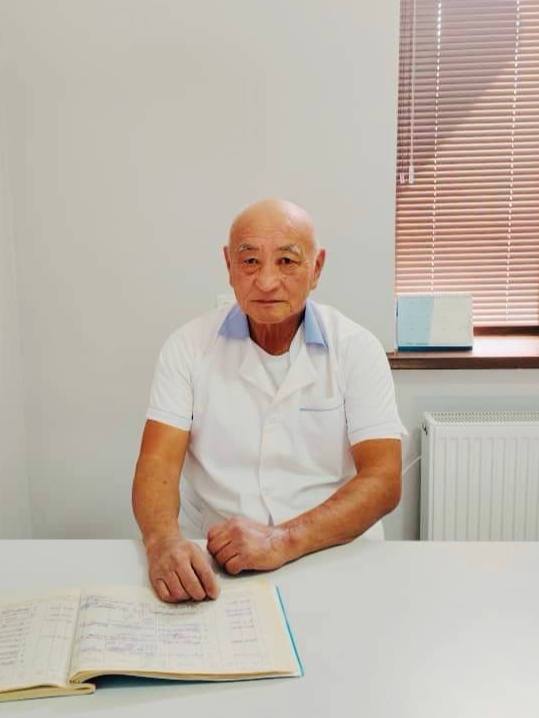
Elfréntiy Li
Chief physician — parasitologist, helminthiasis specialist
- 29+ years — structured helminth care, not a one-off deworming pill
- Physician certified in Uzbekistan — traditional and complementary medicine
- Course tailored to parasite species, labs, and clinical picture
- Patients from 5 CIS countries — in-clinic and remote follow-up
“Helminthiasis rarely clears with a single tablet. You need a structured plan — we build it for your case.”
Why patients choose Visus Medical
For residents of Kazakhstan, we adapt the protocol to local realities — from logistics to repeat test access. Helminthiasis is rarely cured with a single pill — we do not promise a miracle overnight. Evidence from Kazakhstan shows early therapy yields better outcomes. We offer a clear path: diagnosis, course, follow-up, relapse prevention.
- MoH-certified medical care in Uzbekistan.
- 29+ years in parasitology and related care.
- Systemic course, not a one-off deworming tablet.
- We work with chronic and complex cases.
- Outpatient care — no hospital stay.
- Patients from across the CIS — remote review of test results.
How we work with patients from Kazakhstan
Each patient from Kazakhstan receives a personalized route: consultation, diagnostics, treatment and follow-up.
Our team supports patients from Kazakhstan through each phase to keep treatment consistent.
For patients from Kazakhstan, we build a clear plan with milestones, timelines and checkpoints.
For people from Kazakhstan, we recommend keeping all test results in one structured package.
For referrals from Kazakhstan, we evaluate comorbid factors and adapt treatment pace accordingly.
How to reach Visus Medical: for patients from Kazakhstan
Из Алматы в Ташкент ходит поезд «Тулпар-Тальго» — около 11–12 часов, удобные купе; ночью выехал, утром уже в Ташкенте. Мы подберём слот после вашего прибытия.
Дистанционная первичная консультация для пациентов из Казахстана: высылаете нам снимки и анализы через мессенджер, врач даёт заключение по видеосвязи — очный визит только для ключевых процедур.
Из Алматы в Ташкент — прямые рейсы Air Astana и Uzbekistan Airways, около 1 часа 40 минут в воздухе; от аэропорта Ташкента до Visus Medical в Нурафшоне на такси — около часа. Итого дорога «от двери до двери» укладывается в 4–5 часов.
Для пациентов из Казахстана координатор помогает с расчётом стоимости в тенге по актуальному курсу. Оплата наличными в сумах или USD — без дополнительных комиссий.
Intestinal worms: what patients from Kazakhstan should know
Imported meat and markets in Kazakhstan do not cancel the rule: meat must be well cooked.
Family prevention is discussed at once — it lowers repeat infection in six months.
In major cities of Kazakhstan water is usually controlled, but dachas and suburbs are risk zones for worms.
In winter on northern construction sites in Kazakhstan living conditions raise water-related infection risk.
Labs in Kazakhstan differ in quality — if in doubt we advise repeating the stool test.
Kindergartens in Kazakhstan are a typical place where worms pass from child to child.
Contact with pastoral livestock in the south of Kazakhstan often appears in adult patient stories.
We accept results from Kazakhstan and add to the plan precisely, without extra orders.
In Astana tests are done quickly, but seeing a doctor with results is harder — a messenger helps start earlier.
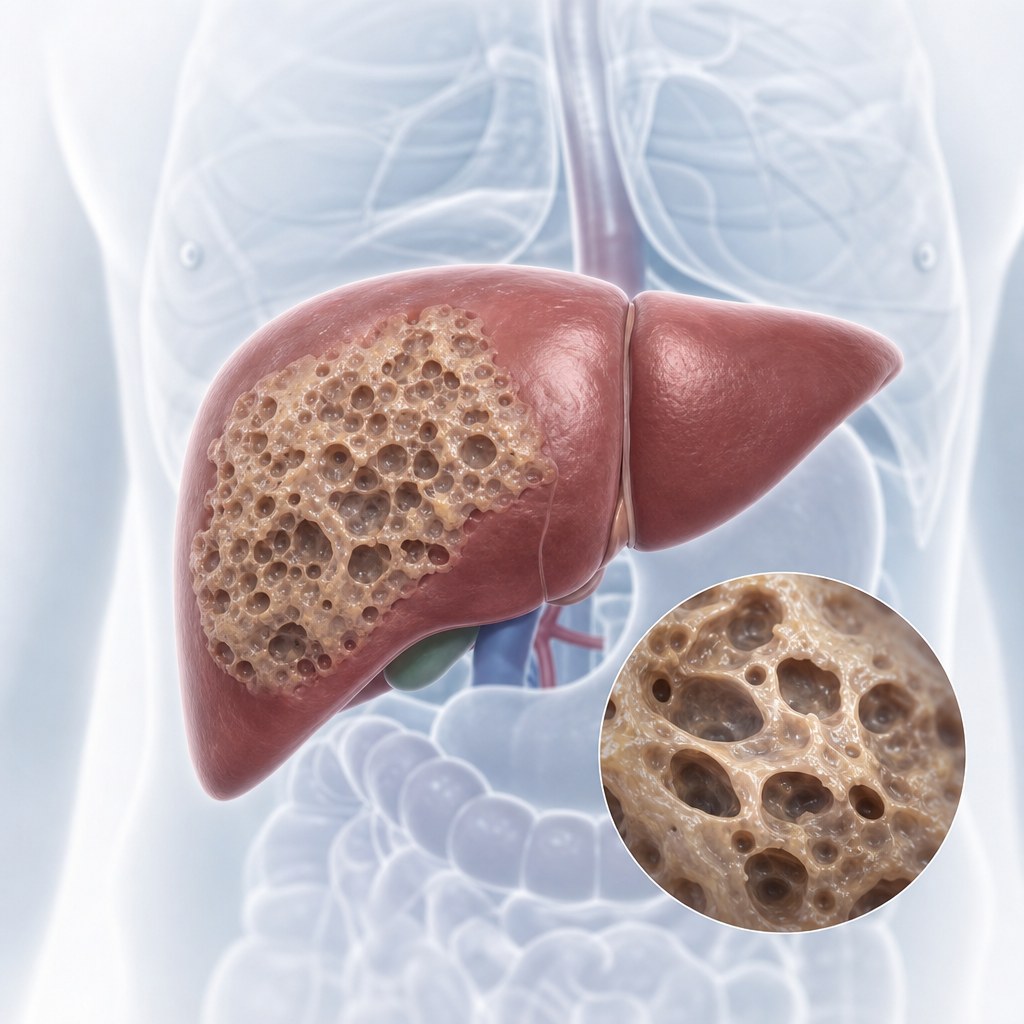
What is helminthiasis?
If you live in Kazakhstan, we can offer a hybrid format: remote stages + in-person checkpoints. Helminthiases, or helminth infections, are widespread parasitic diseases caused by helminths. Helminths (parasitic worms) differ greatly in shape and size.
The risk exists for everyone, regardless of social status or hygiene level. We advise patients from Kazakhstan to track their progress systematically. That is why "prevention" as a pill once a year is a myth that does not work.
Many think helminthiasis is only a problem of unwashed vegetables. In fact, routes of infection are much more diverse:
According to WHO data, every second person on the planet is infected with helminths each year. For Kazakhstan, avoiding diagnostic delays is especially important. Many believe parasitic worms do little harm to health. In reality, it is not that simple: helminths can damage vital internal organs—the heart, lungs, and brain—causing chronic disease that lasts for years.
- Foodborne route: Not only unwashed fruit, but also inadequately cooked meat (kebab, rare steak) and fish (sushi, dried fish).
- Contact route: Parasite eggs may be on pet fur, banknotes, door handles, and in dust.
- Waterborne route: Drinking unboiled water from open sources or even accidentally swallowing water in a pool.
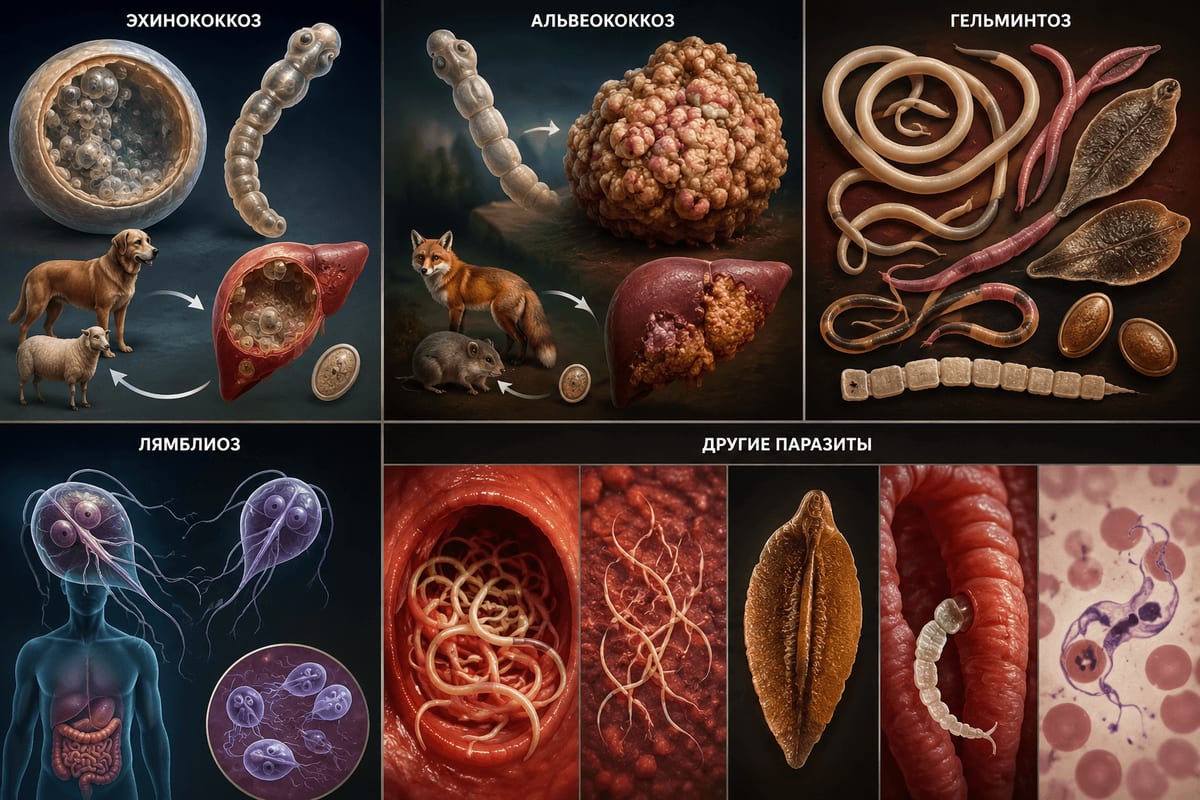
There are three classes of helminths:: what patients from Kazakhstan should know
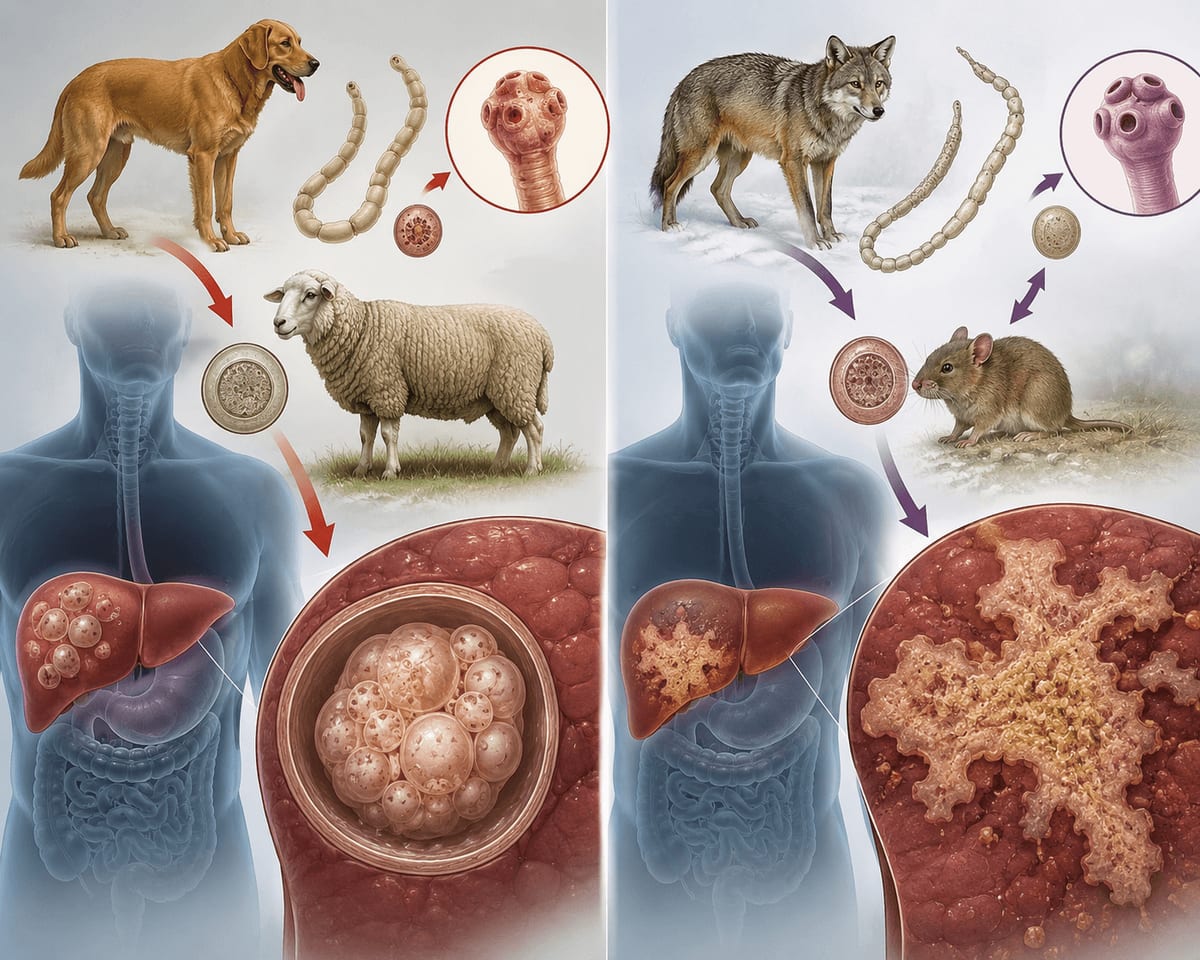
We advise patients from Kazakhstan not to interrupt the course — even when feeling better, checkpoints matter. For Kazakhstan, avoiding diagnostic delays is especially important. Tapeworms (cestodes)—about 3,500 species. Worm length ranges from a few millimeters to 10–15 meters. Well-known examples include beef and pork tapeworms and echinococcus.
Flukes (trematodes)—parasites with suckers used to obtain nutrients. About 40 species can affect humans; worms are usually no longer than 5 cm. They mainly affect the liver, biliary tract, and lungs.
Roundworms (nematodes)—more than 24,000 species, spindle-shaped, usually no longer than 0.5 m. We advise patients from Kazakhstan to track their progress systematically. The best-known examples are roundworm, pinworm, and toxocara.
The "Great Masquerader": How helminths hide in the body — guidance for from Kazakhstan
This is one of the main reasons patients see doctors for years without finding the cause of their illness. Parasites are masters of disguise. They release toxins that poison the body and cause symptoms not directly linked to "worms."
You may treat unsuccessfully for years:
In the end, the patient treats symptoms with a dermatologist, gastroenterologist, or neurologist while the true cause—parasitic invasion—remains undetected and continues to damage the body.
- Allergy: Skin rashes, urticaria, eczema, itching. You change diet and take antihistamines, but these are often reactions to parasite toxins.
- Chronic fatigue: Apathy, weakness, sleepiness, brain fog. This results from intoxication and nutrient deficiency caused by helminths "stealing" resources.
- GI disease: Bloating, abdominal pain, irregular stool, nausea. IBS is often diagnosed, but the cause lies deeper.
- Neurological symptoms: Irritability, insomnia, teeth grinding in sleep (bruxism)—often due to toxins affecting the nervous system.
Characteristic signs of infection:
For patients from Kazakhstan, we align the care plan with local logistics, test availability and follow-up timing. We advise patients from Kazakhstan to track their progress systematically. Although parasites disguise themselves, several "red flags" should raise concern:
- Fever, edema
- Recurrent pruritic skin eruptions
- Enlarged lymph nodes
- Elevated blood eosinophils
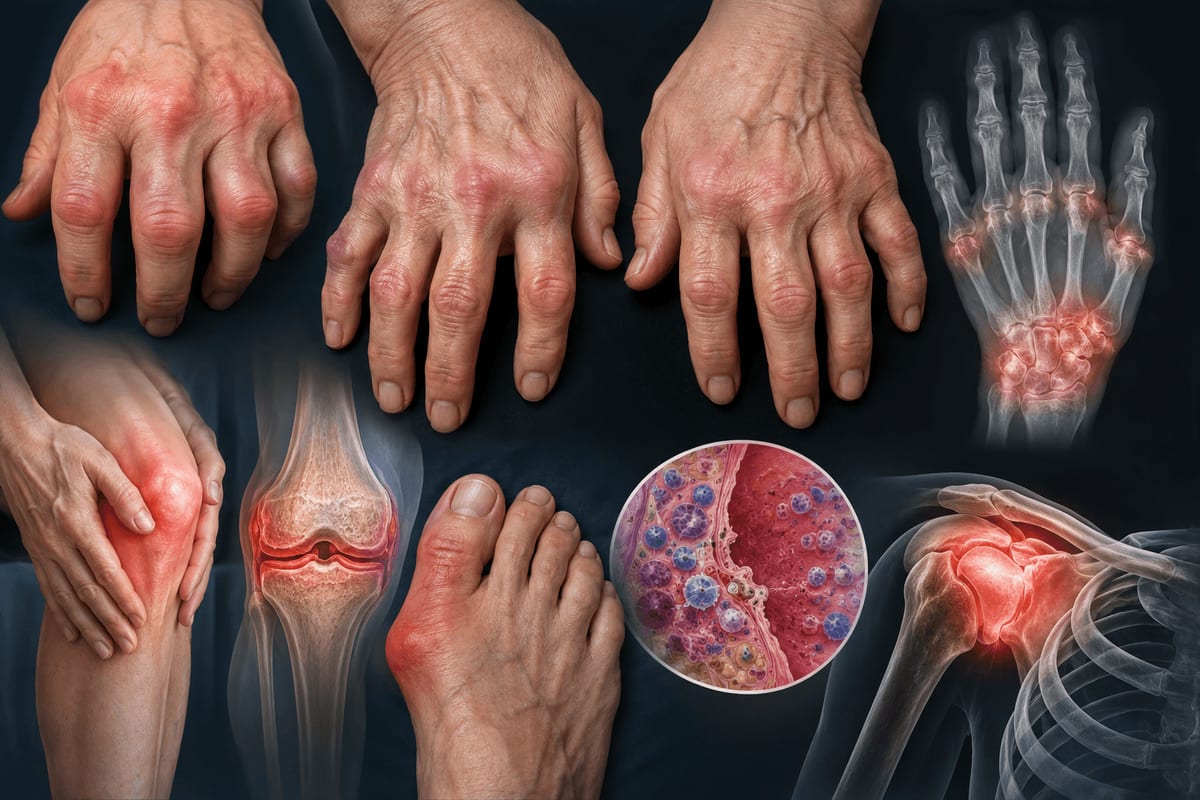
- Myalgia (muscle pain), arthralgia (joint pain)
- Respiratory symptoms (cough)
- Splenomegaly and hepatomegaly
- Abdominal bloating and pain
- Weight loss with normal appetite
- Allergic reactions (urticaria, angioedema)
- Perianal itching (especially at night)
- Teeth grinding in sleep (bruxism)
- Nausea, vomiting, diarrhea, or constipation
Frequently asked questions (FAQ)
A one-off pharmacy pill is not full helminthiasis treatment. Without proper tests (and sometimes ultrasound) you may miss the parasite type, stage, and complications. At Visus Medical the course is staged with lab follow-up—not guesswork.
Consider testing if you have long-term unexplained allergy, fatigue, abdominal pain or bloating, weight loss, itching, teeth grinding at night, or raised blood eosinophils. Start with labs—we will advise what else is needed at consultation.
Often yes, especially if a child is positive or several members have similar symptoms. Household spread (hands, dishes, pets) makes relapse likely if only one person is treated.
It depends on the helminth species, how long the infection has lasted, and related issues (allergy, gut). After the first visit and tests, the doctor will outline course length and check-up stages.
You can send lab results via messenger for an initial review. In-person visits are needed when indicated; many patients from CIS countries come for key stages of the course.
Common questions from patients from Kazakhstan
Yes, a hybrid model: online consultations for adjustments + in-person checkpoints.
Yes. We usually start with remote case review, then schedule in-person visits and follow-up checkpoints.
Yes, a hybrid model: online consultations for adjustments + in-person checkpoints.
Yes. We usually start with remote case review, then schedule in-person visits and follow-up checkpoints.
Yes, a hybrid model: online consultations for adjustments + in-person checkpoints.
At home people often treat once without control. We see which worm it is (if identified), how the drug is tolerated, and order repeat stool — to confirm parasites are gone.
Usually one visit to start and one control visit in 3–4 weeks. The interval is by chat; dates fit Almaty or Astana — Tashkent flights.
Yes. Forms from Almaty, Astana, Shymkent labs are accepted. Send photos in WhatsApp — we reply whether data are enough or what to add with us.