
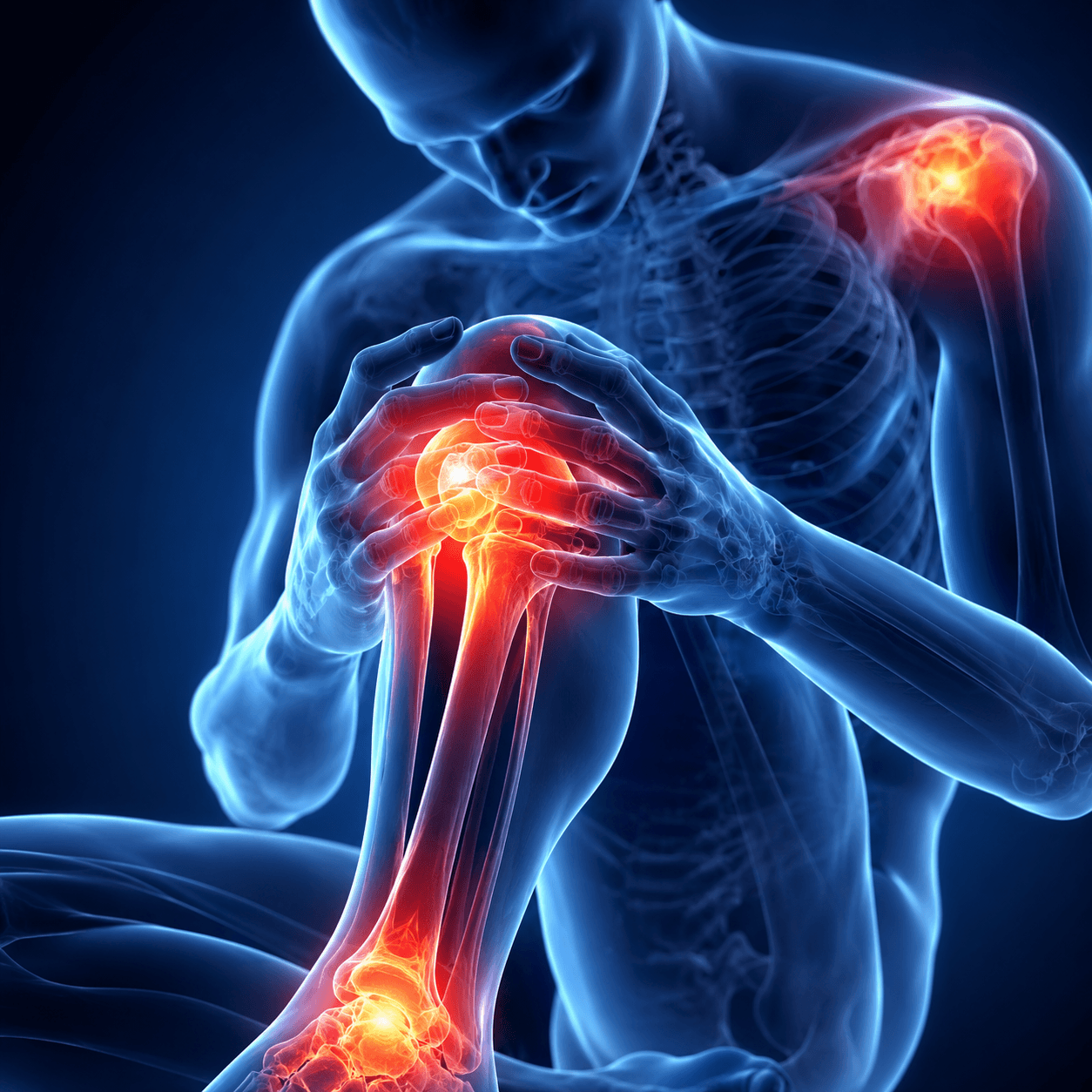
Rheumatic fever treatment at Visus Medical — guidance for from Uzbekistan
For patients from Tashkent, early diagnostic verification and a properly structured therapy start are decisive. We offer a comprehensive approach to treating rheumatic fever:
Timely treatment helps prevent development of heart valve disease!
- Anti-inflammatory and antibacterial therapy.
- Heart protection — complication prevention.
- Joint syndrome relief.
- Immune support.
- Outpatient care.
- Monitoring until stable.
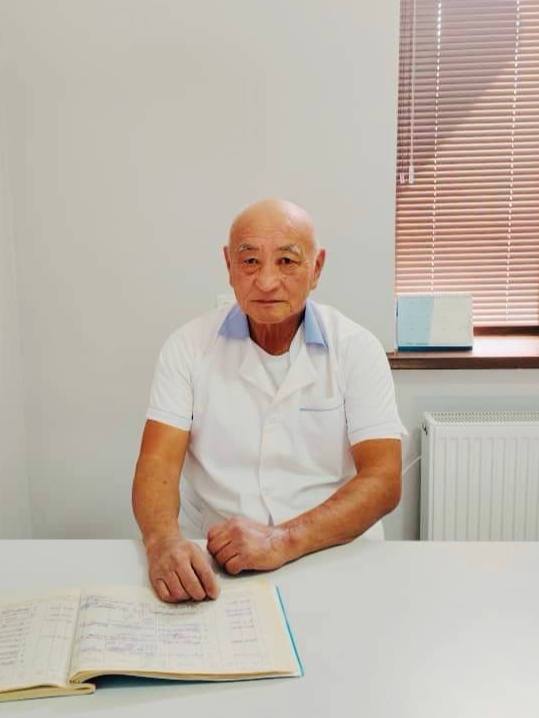
Elfréntiy Li
Chief physician — cardiologist-rheumatologist, rheumatic fever care
- 29+ years — acute rheumatic fever and complication prevention
- Heart and joint protection — outpatient when clinically appropriate
- After strep throat: risk assessment, ECG, inflammation control
- MoH-certified physician — follow-up and long-term prevention
“Rheumatic fever affects the heart and joints after infection. It must not be ignored — we help you complete care safely.”
Why patients choose Visus Medical
For residents of Tashkent, we adapt the protocol to local realities — from logistics to repeat test access. Rheumatic fever demands timely care and heart protection. Evidence from Uzbekistan shows early therapy yields better outcomes. We do not delay therapy and guide patients to stabilization.
- MoH-certified medical care in Uzbekistan.
- Focus on preventing heart valve damage.
- Combined anti-inflammatory and antibacterial therapy.
- 29+ years of practice.
- Outpatient care.
- Monitoring at each stage of the course.
How we work with patients from Uzbekistan
For patients from Tashkent, we build a clear plan with milestones, timelines and checkpoints.
Each patient from Tashkent receives a personalized route: consultation, diagnostics, treatment and follow-up.
Our team supports patients from Tashkent through each phase to keep treatment consistent.
For referrals from Uzbekistan, we evaluate comorbid factors and adapt treatment pace accordingly.
Our cases from Uzbekistan show that early diagnostic validation lowers the risk of prolonged complications.
Как добраться в Visus Medical: пациентам из Tashkent
На авто из Tashkent до клиники Visus Medical в Нурафшоне — около часа по трассе через Ташкент и Чирчик; ориентируйтесь на выезд утром, чтобы избежать вечерних пробок на подъезде к столице.
Из Tashkent на личном автомобиле удобнее выезжать по М-39 или объездной через Чирчик — трасса в хорошем состоянии, заправки и кафе есть по пути для пациентов с длительным курсом лечения.
Если вы живёте in Tashkent, можно совместить поездку в клинику с делами в Ташкенте: приём в Visus Medical займёт полдня, остальное время — на анализы или покупки в столице.
Пациентам from Tashkent рекомендуем закладывать на дорогу до Нурафшона около часа с запасом на парковку и регистрацию в клинике; запись согласуем так, чтобы не ждать в очереди.
Ревматизм: контекст для пациентов Uzbekistan
Ревматизм как осложнение стрептококковой ангины исторически был распространён в Uzbekistan; ограниченный доступ к кардиологу и ревматологу в малых городах Tashkent до сих пор приводит к позднему выявлению порока сердца.
Миграция семей из сёл в Tashkent переносит в город детей без прививок и с хроническими тонзиллитами — факторы риска ревматизма, характерные для Uzbekistan в переходный период урбанизации.
Повторные стрептококковые инфекции в многодетных семьях Tashkent поддерживают риск рецидива ревматизма; санитарные условия в общежитиях и гуртожитках Uzbekistan требуют профилактики бензатина бензилпенициллином по показаниям.
Профилактика рецидива ревматизма у пациентов from Tashkent требует дисциплины: своевременное лечение ангин, санация очагов инфекции и связь с кардиологом Uzbekistan — мы помогаем выстроить этот маршрут.
What is rheumatic fever?
Rheumatic fever (acute rheumatic fever) is a systemic inflammatory disease that develops after streptococcal infection (tonsillitis, pharyngitis). It mainly affects the heart, joints, skin, and nervous system.
Causes and pathogenesis
We advise patients from Tashkent not to interrupt the course — even when feeling better, checkpoints matter. Rheumatic fever develops as a complication of streptococcal infection. For Tashkent, avoiding diagnostic delays is especially important. A rheumatic attack may begin 1–3 weeks after tonsillitis.
- Genetic predisposition
- Frequent streptococcal infections
- Incorrect or incomplete treatment of tonsillitis
- Hypothermia, dampness
Symptoms of rheumatic fever — guidance for from Uzbekistan
- Heart area pain
- Shortness of breath on exertion
- Palpitations
- Cardiac rhythm disturbances
- Acute pain in large joints
- Swelling and redness
- "Migratory" pain pattern
- Limited movement
- Fever up to 38–39°C
- General weakness, malaise
- Increased sweating
Frequently asked questions (FAQ) for patients from Tashkent
It is more common in children and young adults after strep throat, but adults can be affected too, especially if streptococcal infection was untreated. Timely diagnosis matters more than age.
Yes. Attacks often start 1–3 weeks after streptococcal tonsillitis or pharyngitis that was not fully treated. Finish antibiotic courses as prescribed.
Heart involvement (carditis) is the main risk; valve damage can develop without treatment. Early therapy and follow-up until stable are essential.
Often yes in moderate cases with medical supervision. Hospital care is needed for severe disease. Visus Medical provides outpatient management with regular check-ups.
Yes: follow-up care, preventing repeat sore throats, treating throat infections promptly, and sometimes long-term preventive antibiotics—individual plans are set by your doctor.
Common questions from patients in Tashkent
Yes, a hybrid model: online consultations for adjustments + in-person checkpoints.
Yes. We usually start with remote case review, then schedule in-person visits and follow-up checkpoints.
Yes, a hybrid model: online consultations for adjustments + in-person checkpoints.
Yes. We usually start with remote case review, then schedule in-person visits and follow-up checkpoints.
Yes, a hybrid model: online consultations for adjustments + in-person checkpoints.